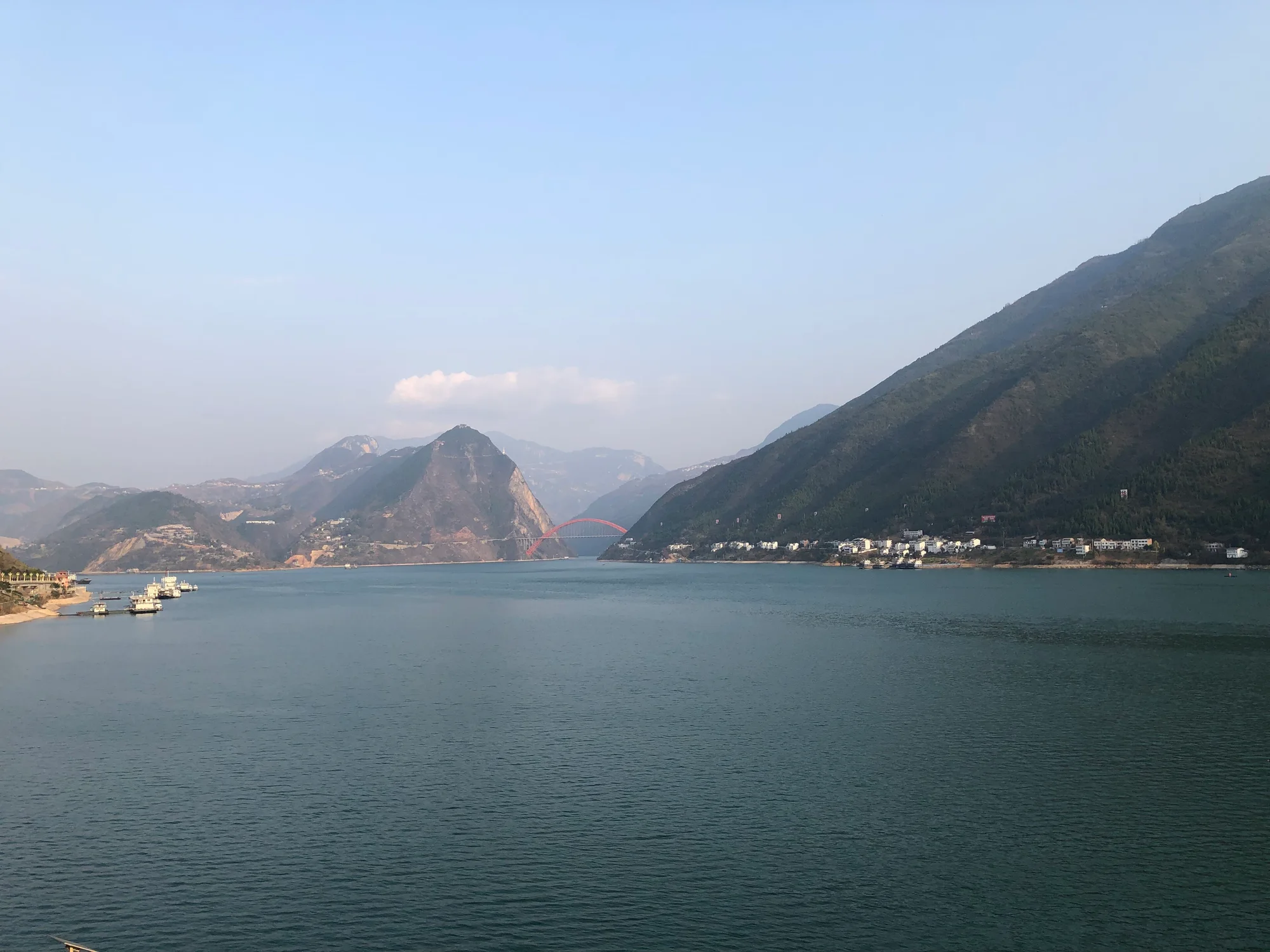
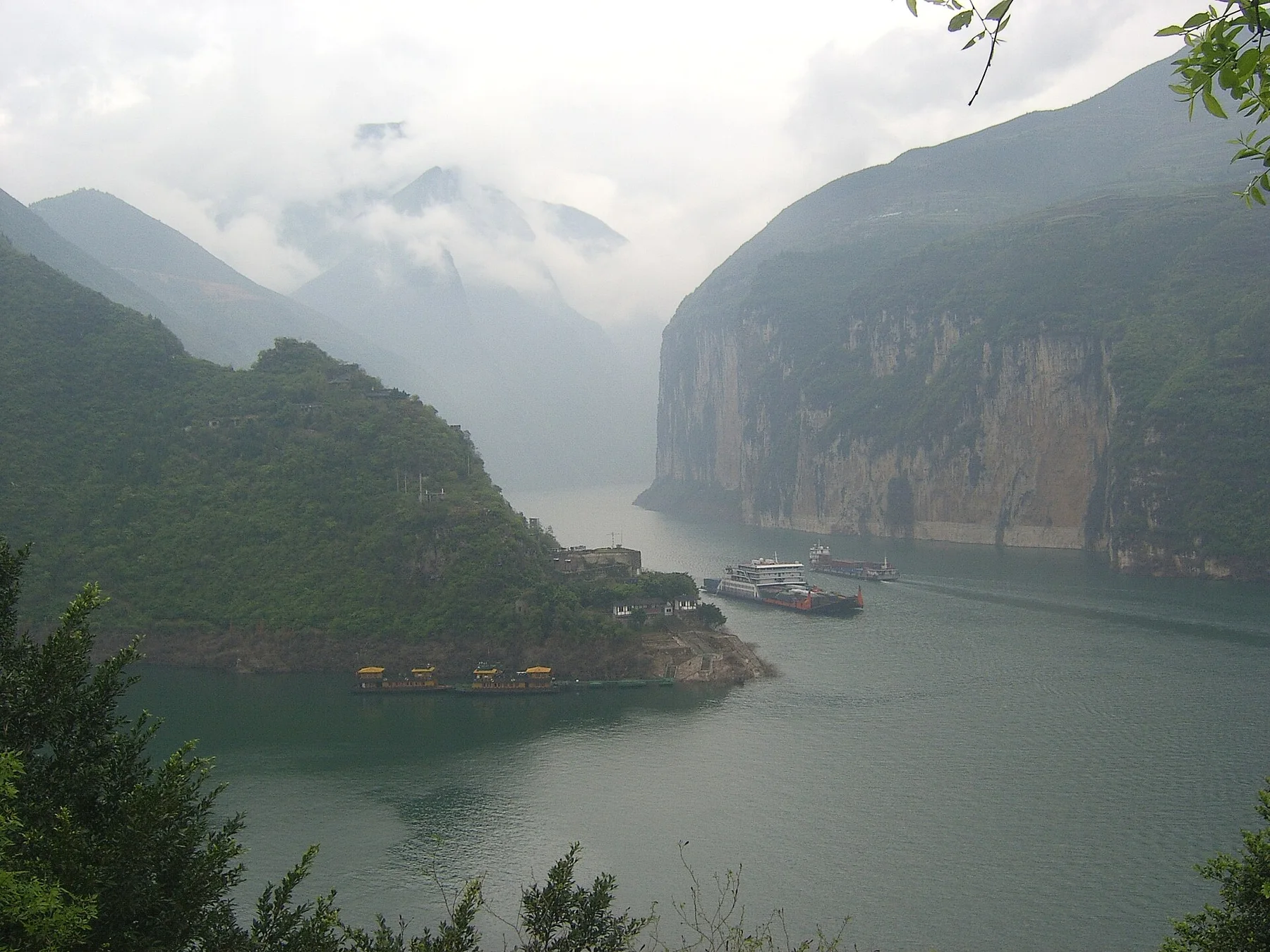
トゥチャ族の吊脚楼と山の集落
江流志野グループ読了時間 7分2026-08-12
口述と土地の暮らし
FIELD PORTRAIT
FIELD PORTRAIT
建物は斜面に沿って伸びていく。木組みと囲炉裏と村道が、湿った山地の具体的な暮らしに応えている。
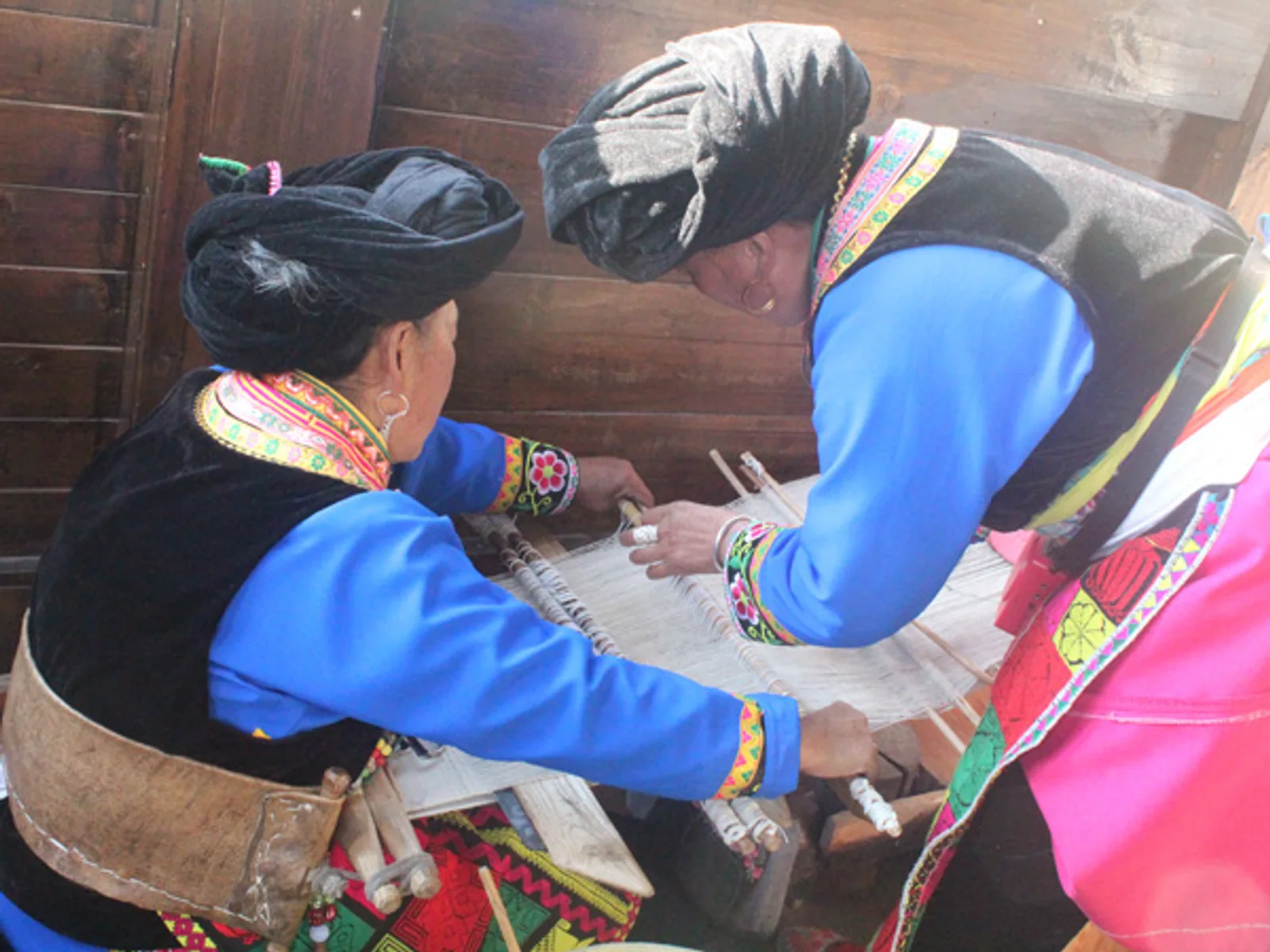
写真:Going2China
“吊り足は丘陵に沿って安頓生活を送り、湿気や池や家族関係を木造に組み込んだ。”
どうやって建物が倒れたのか。
階段は孤立した視覚的なシンボルではなく、斜面、雨水、家庭の構造に適合する空間的なアプローチです。家を理解するには、路地、畑、川との関係を同時に見る必要があります。
今日、新しい材料が村に入り続けるが、木造空間が残す規模と共存の仕方は日々の生活に影響を及ぼす。
How a building lands on a slope
The stilt house is not an isolated visual symbol but a spatial method fitted to gradient, rainfall and family structure. To read one house you have to read it together with the village lane, the fields and the stream.
New materials keep arriving in the villages, but the scale and the ways of living together left by the timber frame still shape the everyday.