Landform Notes
How the Yangtze Shaped the Three Gorges
Rock strata, tributaries and monsoon together finished the gorges, and the river is still changing both banks today.
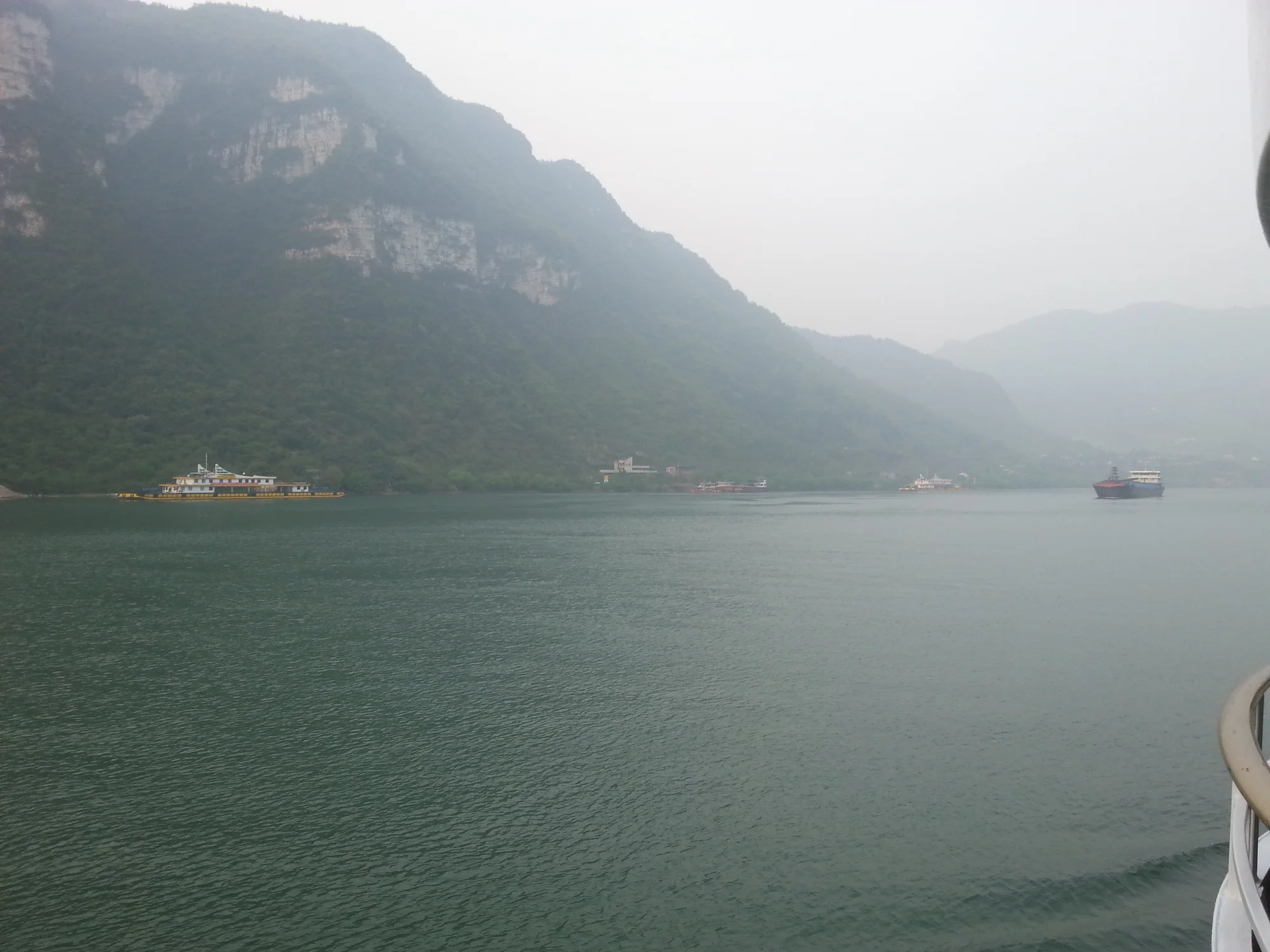
Photo: Photnart · Wikimedia Commons · CC BY-SA 4.0“The gorges are not a fixed backdrop but a landform the river is still writing.”
The river is not a backdrop
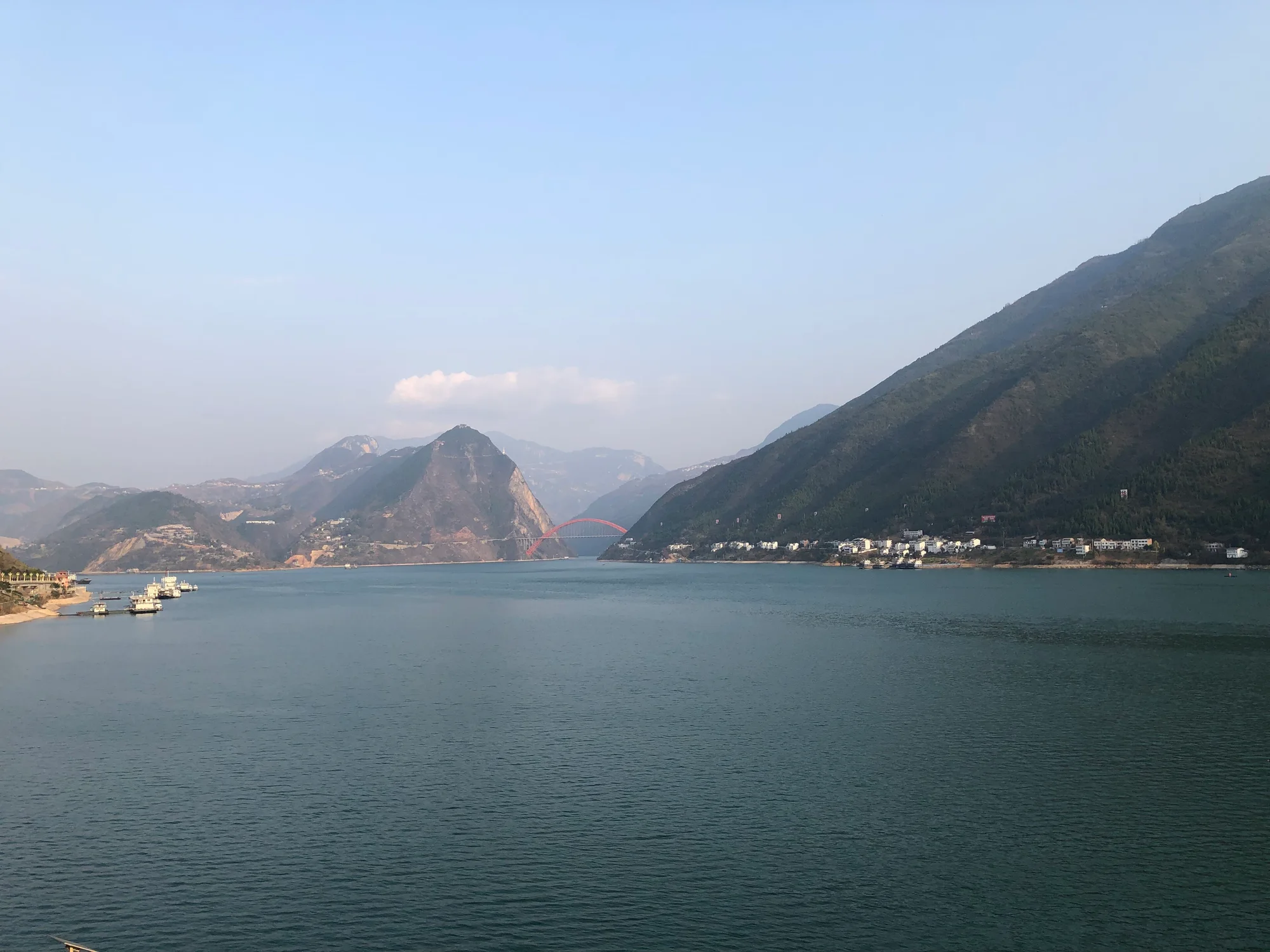
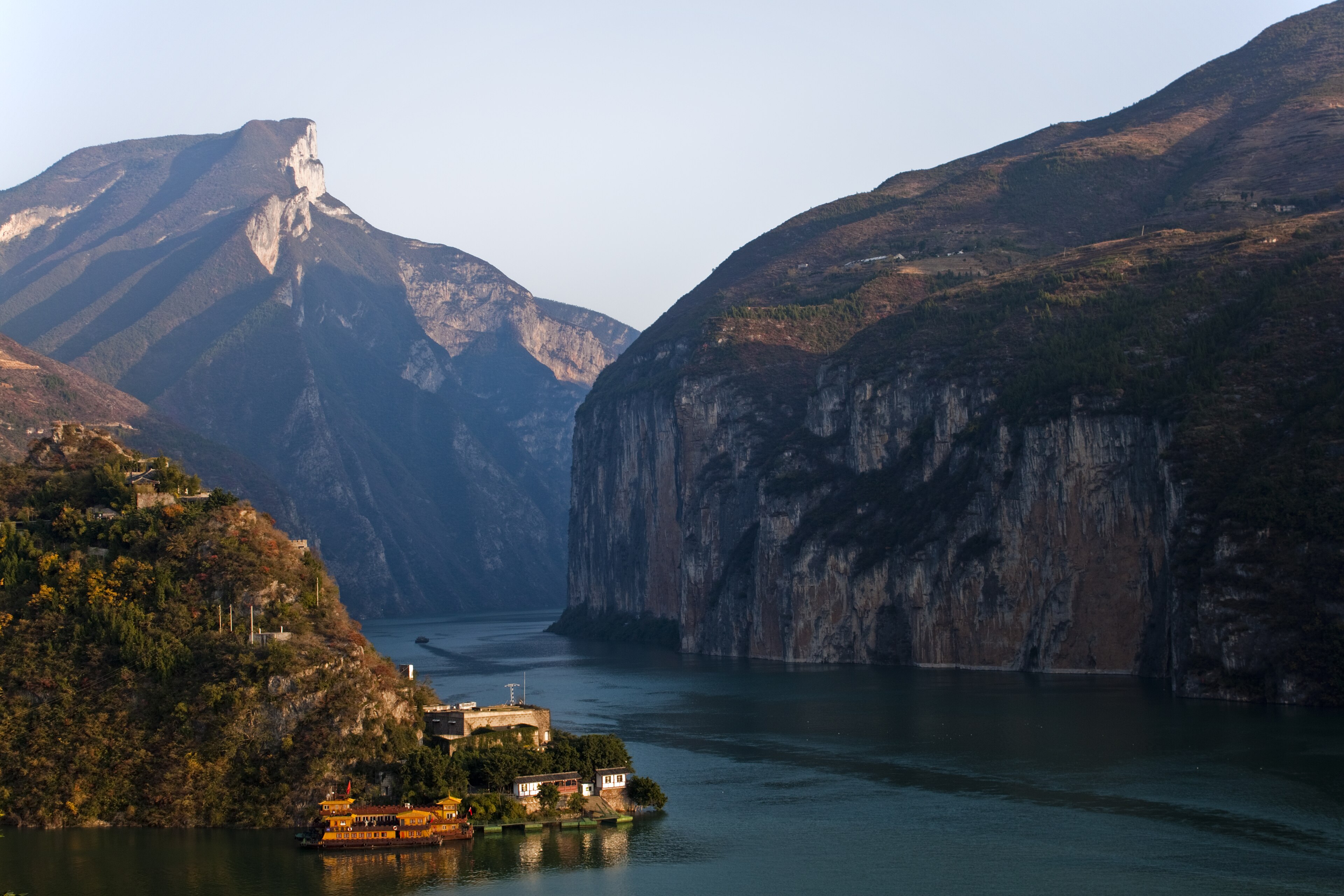
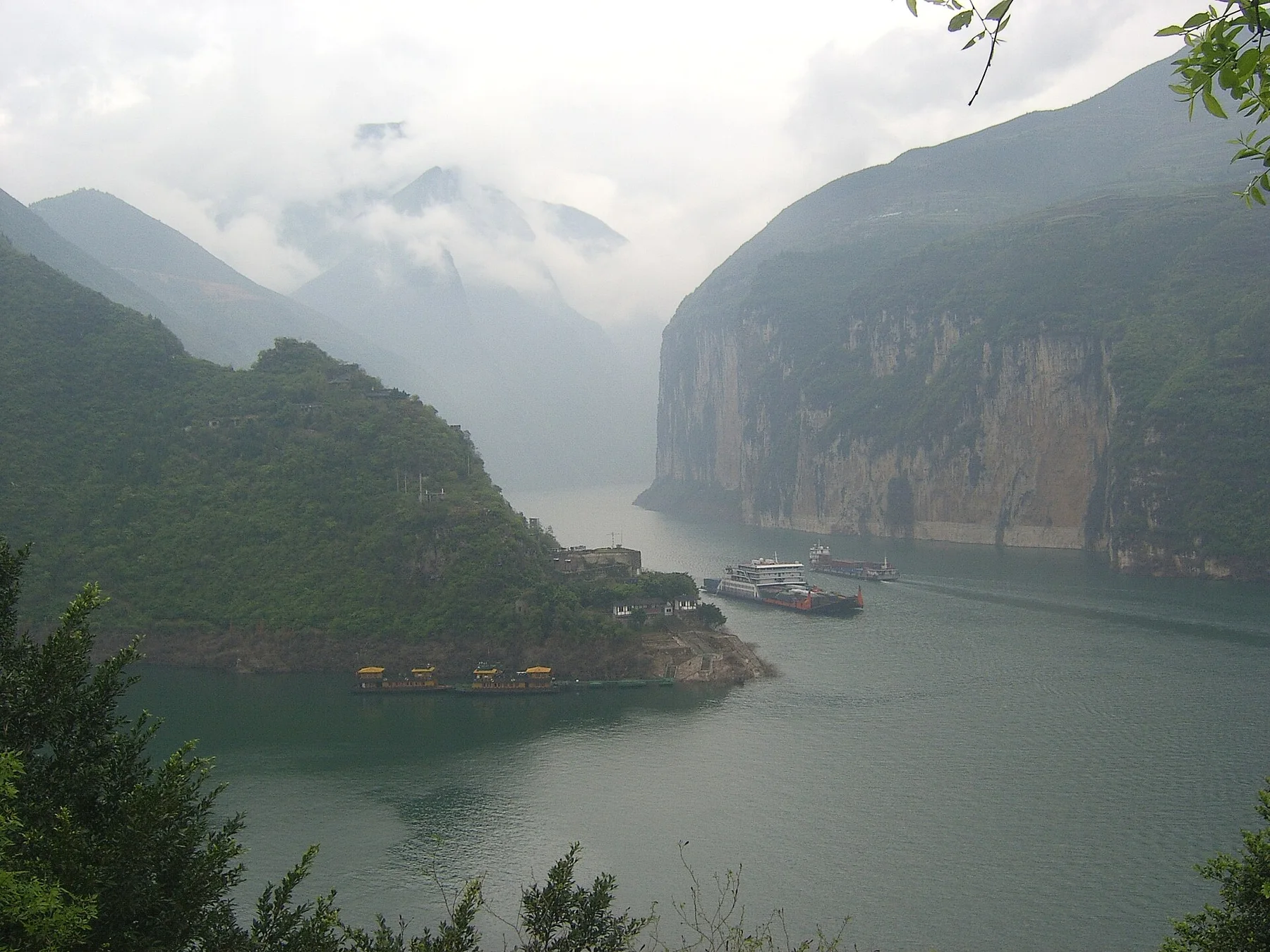
The Three Gorges are usually described as a collection of peaks on both banks, but what actually connects those landscapes is water in continuous motion. It decides where settlements sit, it sets the rhythm of the channel, and it shapes how people tell the story of upstream and downstream.
From Xiling Gorge to Qutang Gorge, the scale of the mountains, the direction of the strata and the mouths of the tributaries keep changing. The boat is not the fastest way to move, but it preserves that continuity best.
The river is not a backdrop
The Three Gorges are usually described as a collection of peaks on both banks, but what actually connects those landscapes is water in continuous motion. It decides where settlements sit, it sets the rhythm of the channel, and it shapes how people tell the story of upstream and downstream.
From Xiling Gorge to Qutang Gorge, the scale of the mountains, the direction of the strata and the mouths of the tributaries keep changing. The boat is not the fastest way to move, but it preserves that continuity best.