 ←All routes
Thematic Route · 5 Days
Yichang to Chongqing: Five Days on the Three Gorges Waterway
Yichang → Zigui → Wushan → Fengjie → ChongqingHighlights
- •Complete Three Gorges Grandeur — Sail continuously through dramatic Qutang, misty Wushan, and rugged Xiling Gorges.
- •Baidicheng & Kuimen Gate — Survey the dramatic cliff gate featured on the 10 RMB note from the ancient fortress.
- •Twelve Peaks of Wushan — Cruise beneath the legendary Goddess Peak through poetic mists and canyon waters.
- •Five-Tier Ship Lock Transit — Experience the grand ship elevator lifting vessels through the colossal Three Gorges Dam.
- •Riverside Historic Harbors — Dock at authentic historical towns to sample authentic grilled fish and time-honored specialties.
Yichang, meeting the waterway from the bank
No long transfers today. Check in near Yichangdong, then walk about 3km along the riverside park in the afternoon to watch vessels clear the locks below the Gezhouba dam — the first dam on the Yangtze, finished in 1988, which raised the channel and ended the old rule that nobody ran the Three Gorges after dark. Toward evening, Zhenjiang Pavilion looks out on the confluence. Dinner is local: liangxia and Three Gorges shaosu. The point today is not sightseeing but scale — the river you will spend five days climbing is already wide and calm here.
Xiling Gorge and the dam project
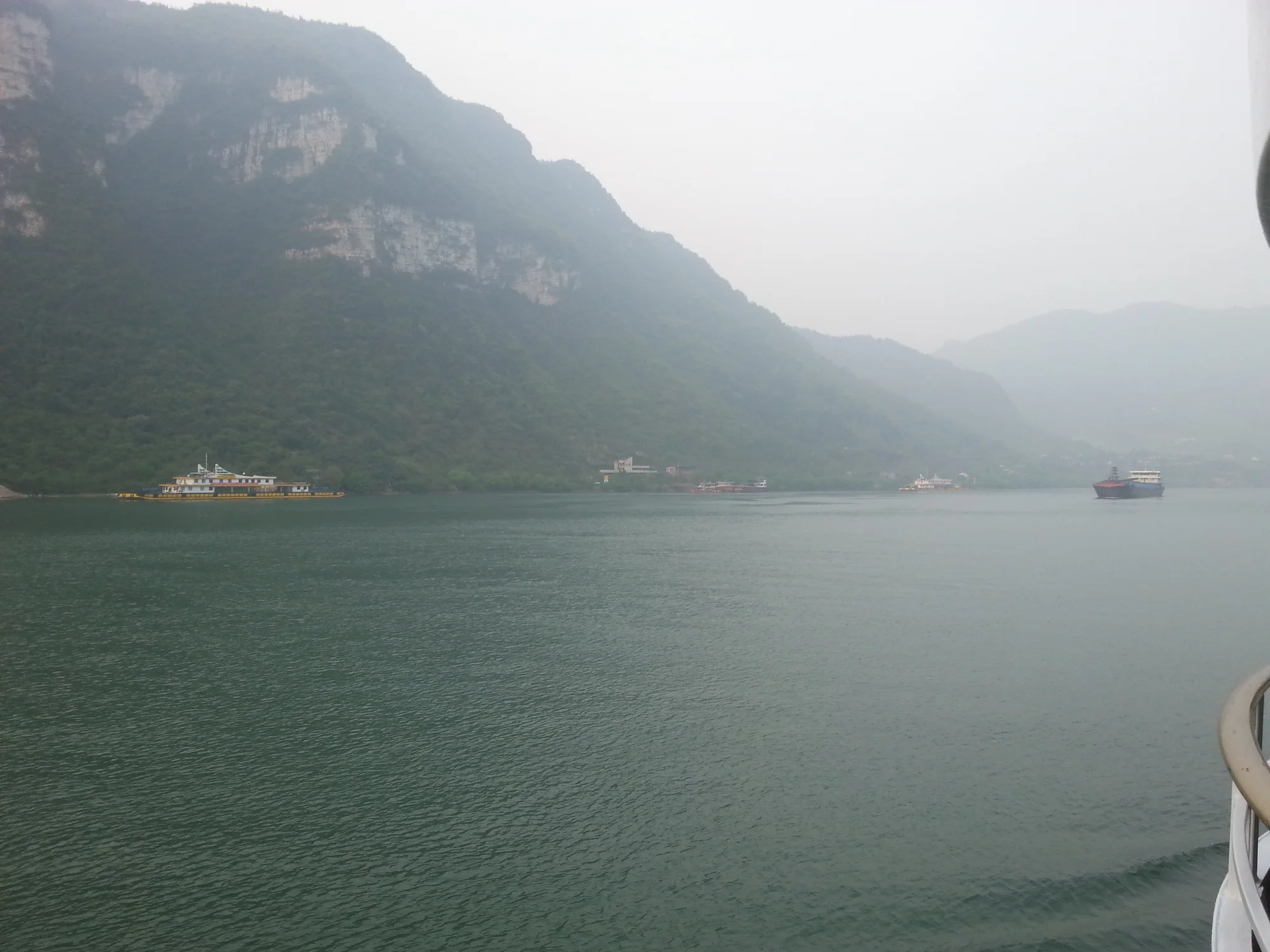
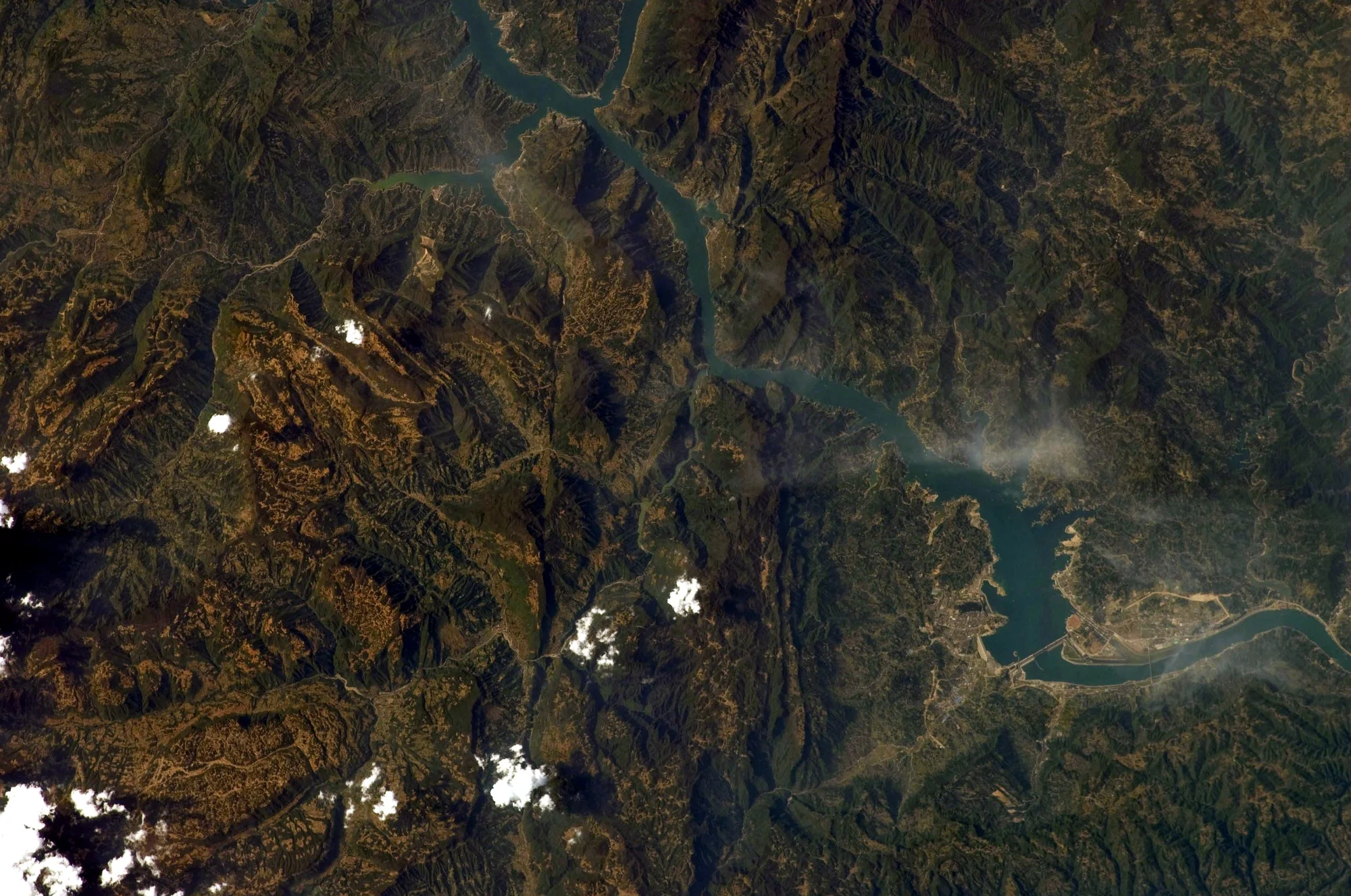
About 120km return. Enter the dam park from the interchange in the morning — admission is free, the shuttle is 35 yuan, and ID is checked against your booking. Tanziling gives the overview of the dam wall and the twin five-stage locks; the 185 platform stands level with the crest, with the reservoir upstream and a clear view of the ship lift below. The locks carry a head of 113 metres, the height of a forty-storey building, and a full transit takes three to four hours. In the afternoon board at Nanjinguan for the Xiling leg, where the walls tighten over the water and the old channel and modern freighters appear in the same line of sight. Back to Yichang by evening.
Zigui to Wushan, a long passage on the water
About 130km on the water. Before boarding at Maoping, give an hour to the Qu Yuan shrine — founded in 820 CE, moved in 1976 for the Gezhouba dam and again in 2006 for the Three Gorges, with twenty-four relocated gorge monuments gathered around it just six hundred metres from the dam. The boat then runs the last of Xiling and enters Wu Gorge past Bingshu Baojian and Niugan Mafei. Goddess Peak stands on the north bank about 15km east of Wushan town; whether she shows is entirely up to the cloud, and it is not worth chasing. Wushan by evening. Note: the deck is windy — bring a layer and keep the camera dry.
Wu Gorge, Qutang Gorge and Baidicheng
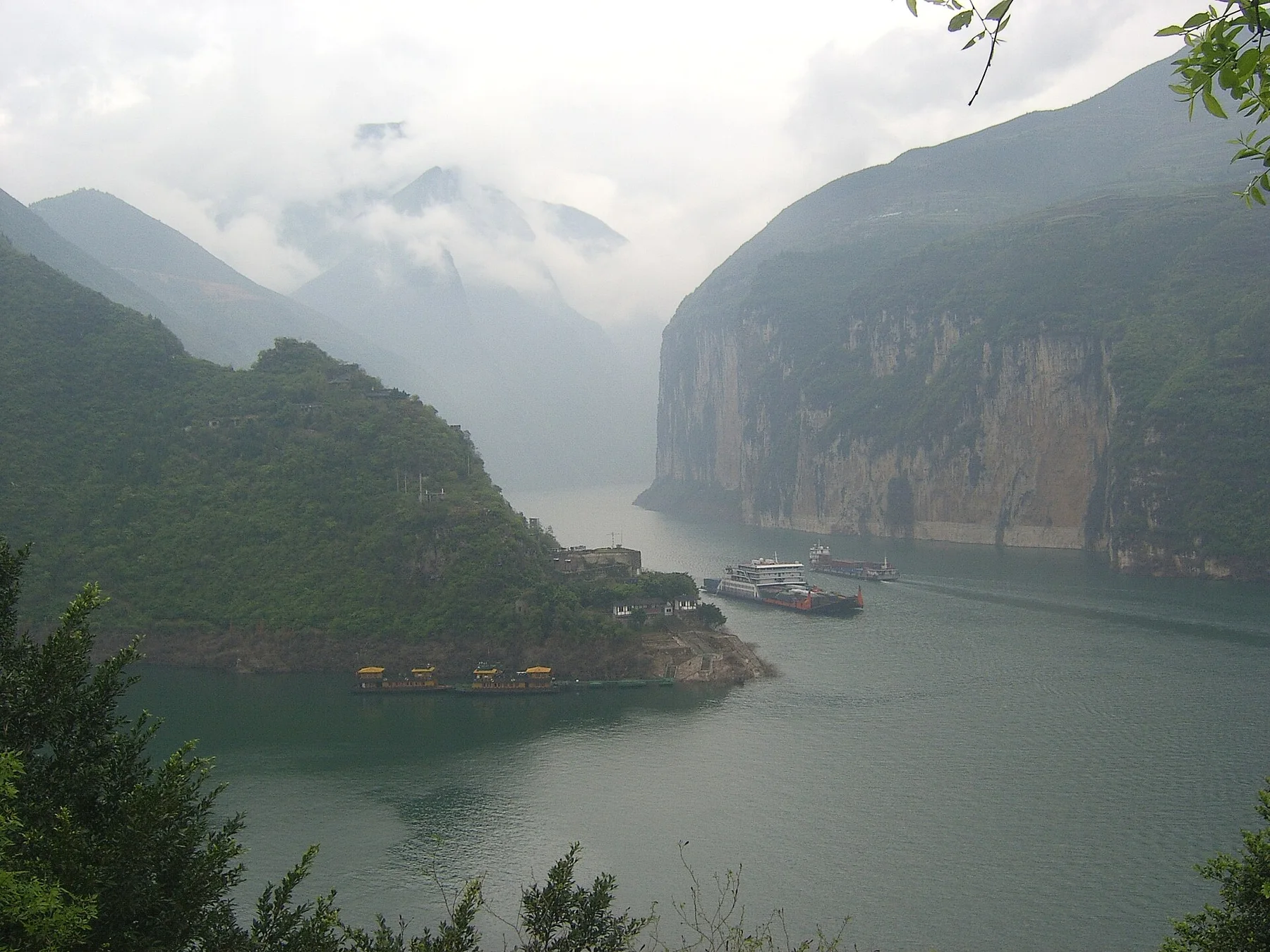
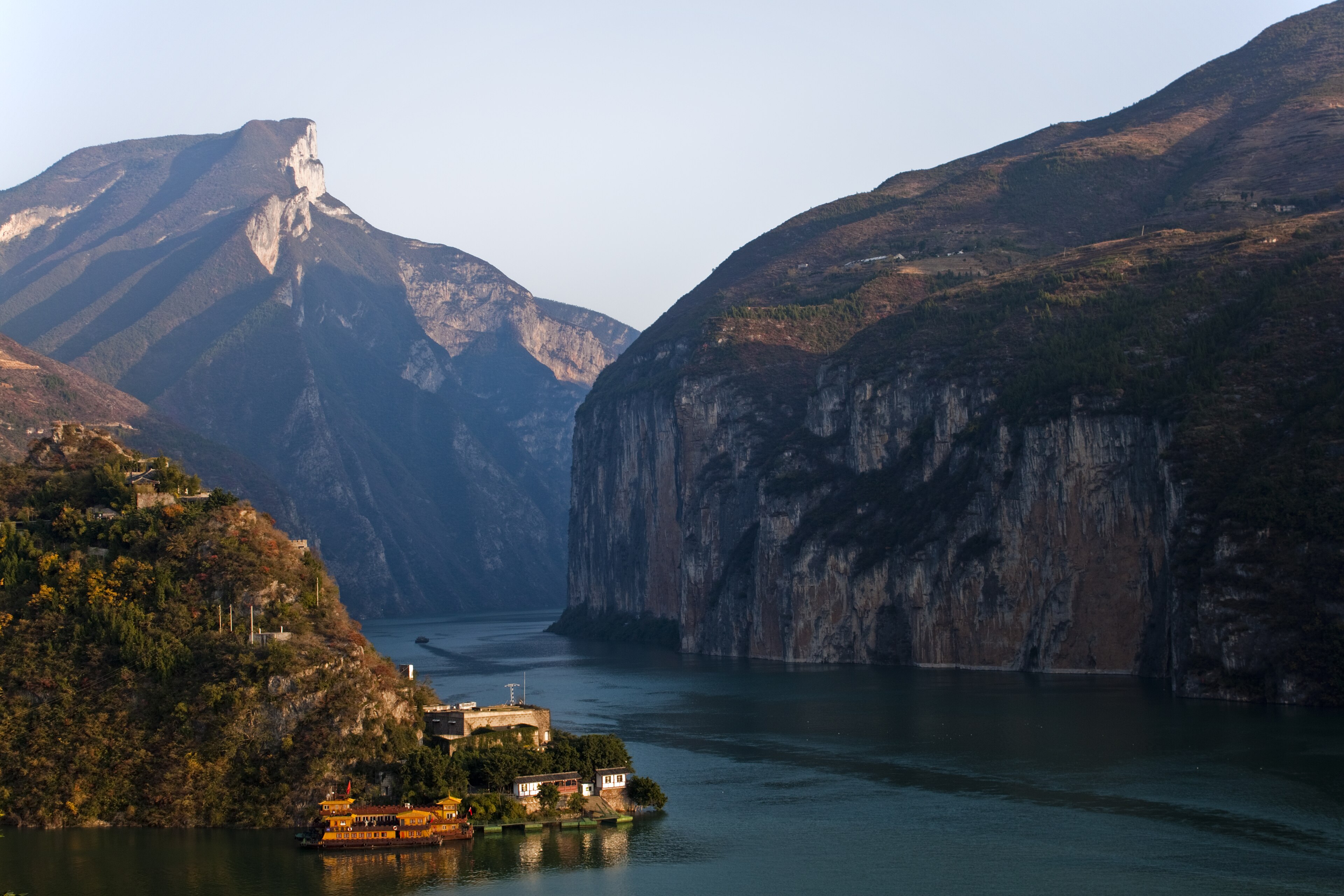
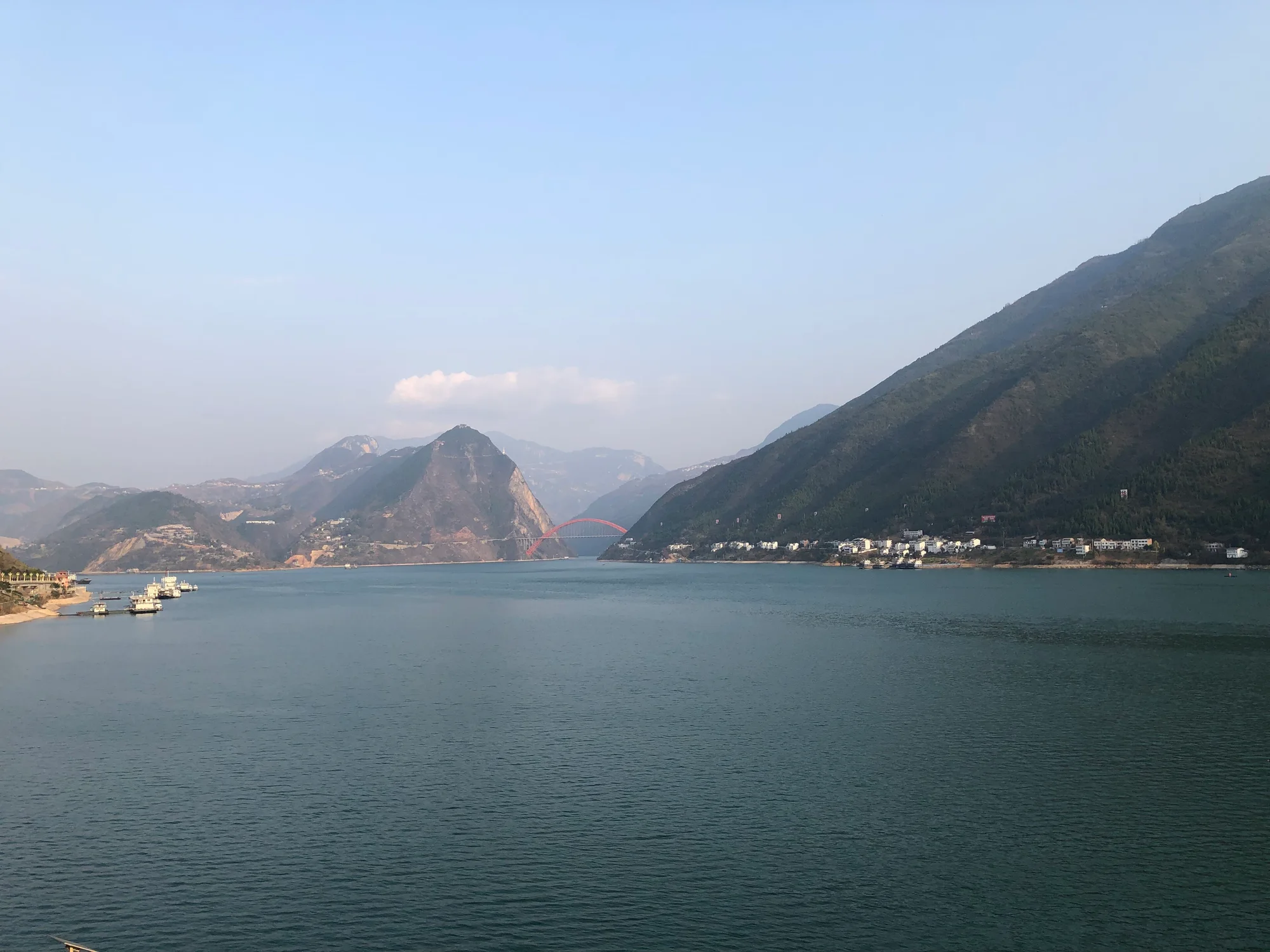
About 90km. The morning offers a transfer to the Lesser Three Gorges or the Shennü stream, where the walls close in and you see vegetation and villages the main channel hides. In the afternoon comes Qutang — the shortest of the three at eight kilometres, and the most forceful, because Kuimen draws it tight. Baidicheng is about thirty minutes of stone steps: it began as Ziyang City, renamed when Gongsun Shu saw white vapour rising from a well and styled himself the White Emperor, and in 222 CE Liu Bei retreated here and entrusted his heir to Zhuge Liang. Li Bai, Du Fu and Su Shi all left verses, which is why it is called the City of Poetry. Looking back down on Kuimen from above is the strongest composition of the trip, and morning and afternoon light differ sharply.
Fengjie to Chongqing, reaching the city of two rivers
About 450km — two hours by high-speed rail, or a night aboard. Past the gorges the river opens abruptly and the banks fall from cliff to slope and town. Drop bags in Chongqing, then take one vertical walk in the evening: down from the Jiefangbei area to Hongyadong, then along the water to Chaotianmen, where the two rivers meet and where Ba made its capital and Qin walled the commandery city. Short distances here run through stairwells, footbridges and lifts, and a straight line on the map means nothing. Dinner is hotpot or a bowl of xiaomian, closing seven hundred kilometres of river.