 ←All routes
Thematic Route · 5 Days
Shennongjia, Xingshan and Zigui in Five Days
Shennongjia → Xingshan → ZiguiHighlights
- •Roof of Central China — Ascend Shennong Peak (3,106m) to gaze across endless primeval mountain ranges and cloud seas.
- •Dajiuhu Alpine Wetland — Stroll scenic wooden boardwalks through morning mist and tranquil mirror lakes.
- •Golden Snub-nosed Monkeys — Observe wild snub-nosed monkeys in their protected natural forest habitat at Dalongtan.
- •Guanmenshan Geological Valley — Discover ancient mountain ecology, cliffside beehives, and unique regional biodiversity.
- •Qu Yuan's Homeland Zigui — Visit the cultural heartland of Chu poetry and traditional dragon boat heritage along Xiling Gorge.
Muyu, preparing before the forest
Arrival day, no long transfers. Muyu sits at about 1,200m and is the most convenient base in Shennongjia. It is roughly an hour from Xingshan high-speed station (the 808-1 coach runs direct from the coach station); the airport at Yemahe is 80km and about an hour away. The afternoon is a short walk at the forest edge to let your body settle, since tomorrow climbs past 3,100m. Confirm three things while you are here: tomorrow's weather window, the vehicle or park transport, and whether anything needs booking. Shennongjia became a forestry district in 1970 — the only administrative region in China named for its forest — and was inscribed as World Heritage in 2016.
Elevation change on Shennong Peak
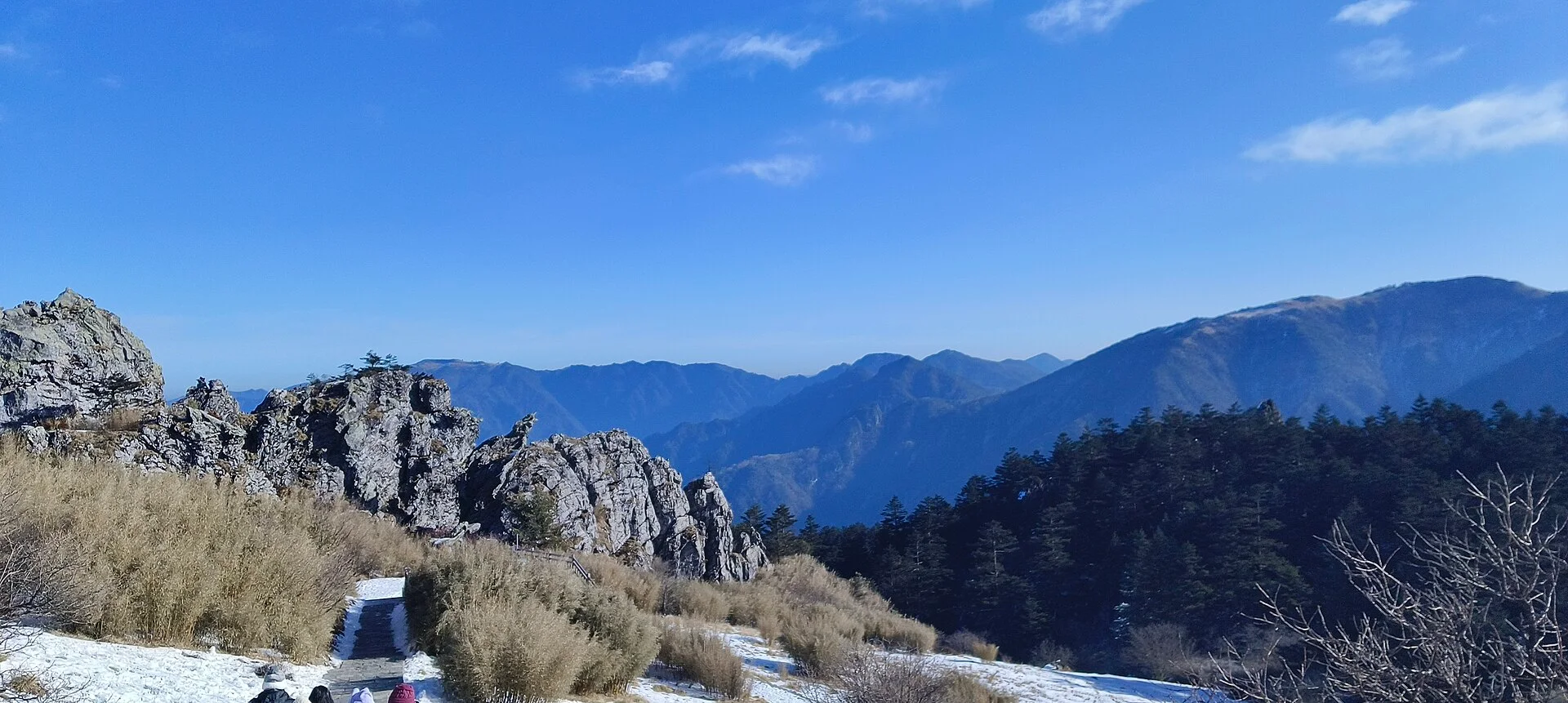
About 120km return on mountain roads. Today's subject is the vertical: from broadleaf forest at Muyu up through mixed and dark conifer belts to alpine meadow and arrow bamboo, a span of some two thousand metres. Temperature, smell and light all change within an hour. Stops include the watchtower, Banbiyan and Shennong Valley, and on a clear day the ridges recede in layers. Two cautions: afternoon showers are frequent, so the morning window is the valuable one; and the high sections are windy and cold for the season, so carry a fleece or shell even in summer. Stay on the open trails and do not feed the wildlife.
Dajiuhu, and the forest at dawn and dusk
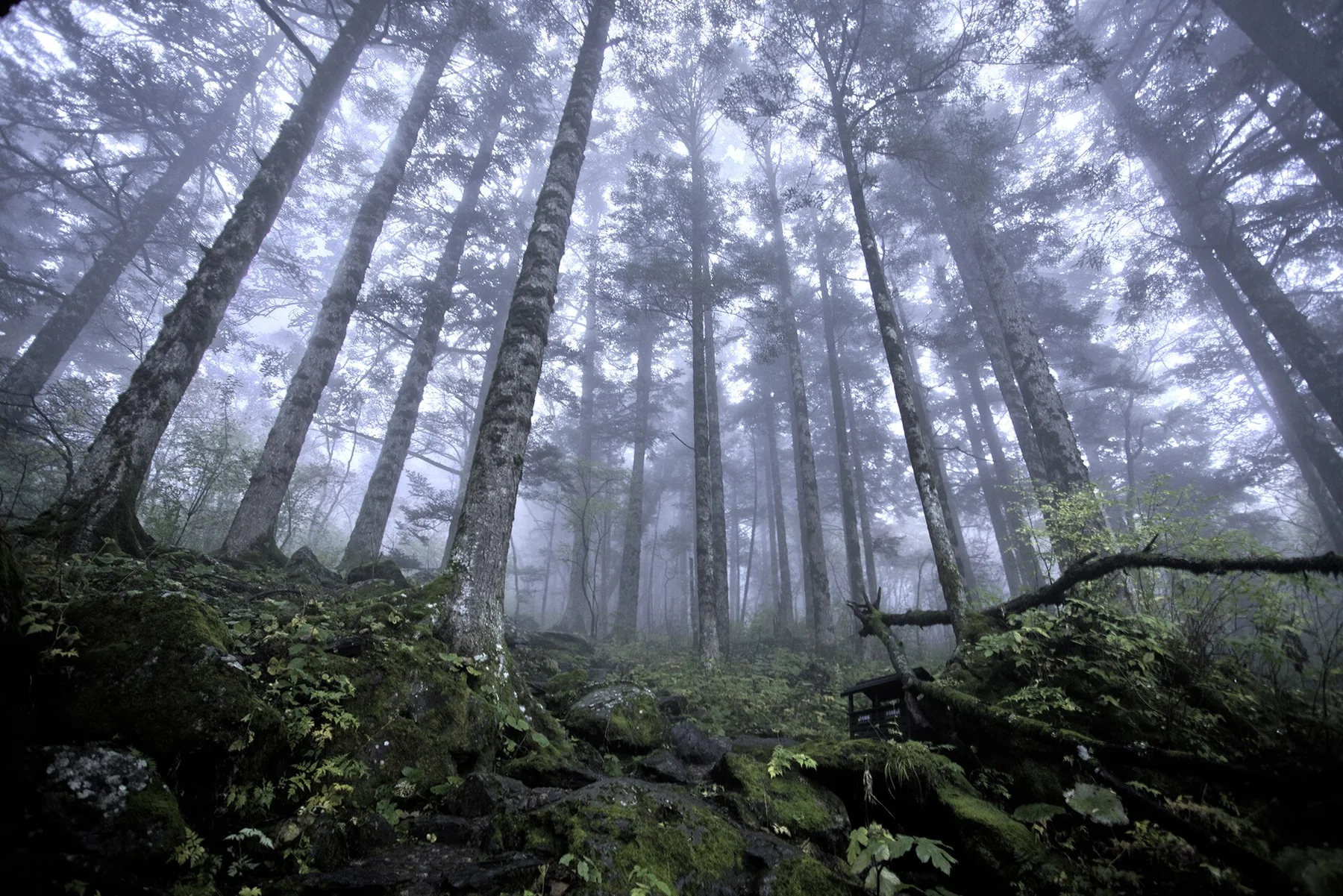
About 130km return. Dajiuhu is high wetland at 1,700m, nine lakes scattered across a basin, and advection fog often settles at dawn — the quietest hour of the whole trip. Leave before six if you can, ahead of the tour coaches. Inside you transfer to the shuttle and walk three to five kilometres of boardwalk. The afternoon deliberately slows: find a spot at the treeline and sit long enough to hear the weather pass through the canopy. The value today is not how much you see but how long you stay. On a clear evening, stop at the pass on the way back for the light.
Down the Xiangxi valley to Xingshan
About 100km, two to three hours. Leaving the high forest, follow the Xiangxi south — the stream is named for Wang Zhaojun, whose home village is in Xingshan. This leg is the clearest sample of how climate rewrites daily life: every few hundred metres of descent changes the crop, from alpine medicinal herbs to maize, then citrus and tea. Stop twice between villages and orchards, and take lunch at a farmhouse. Zhaojun's village near the station is worth an hour. Zigui by evening, now below 200m, with the temperature noticeably back up.
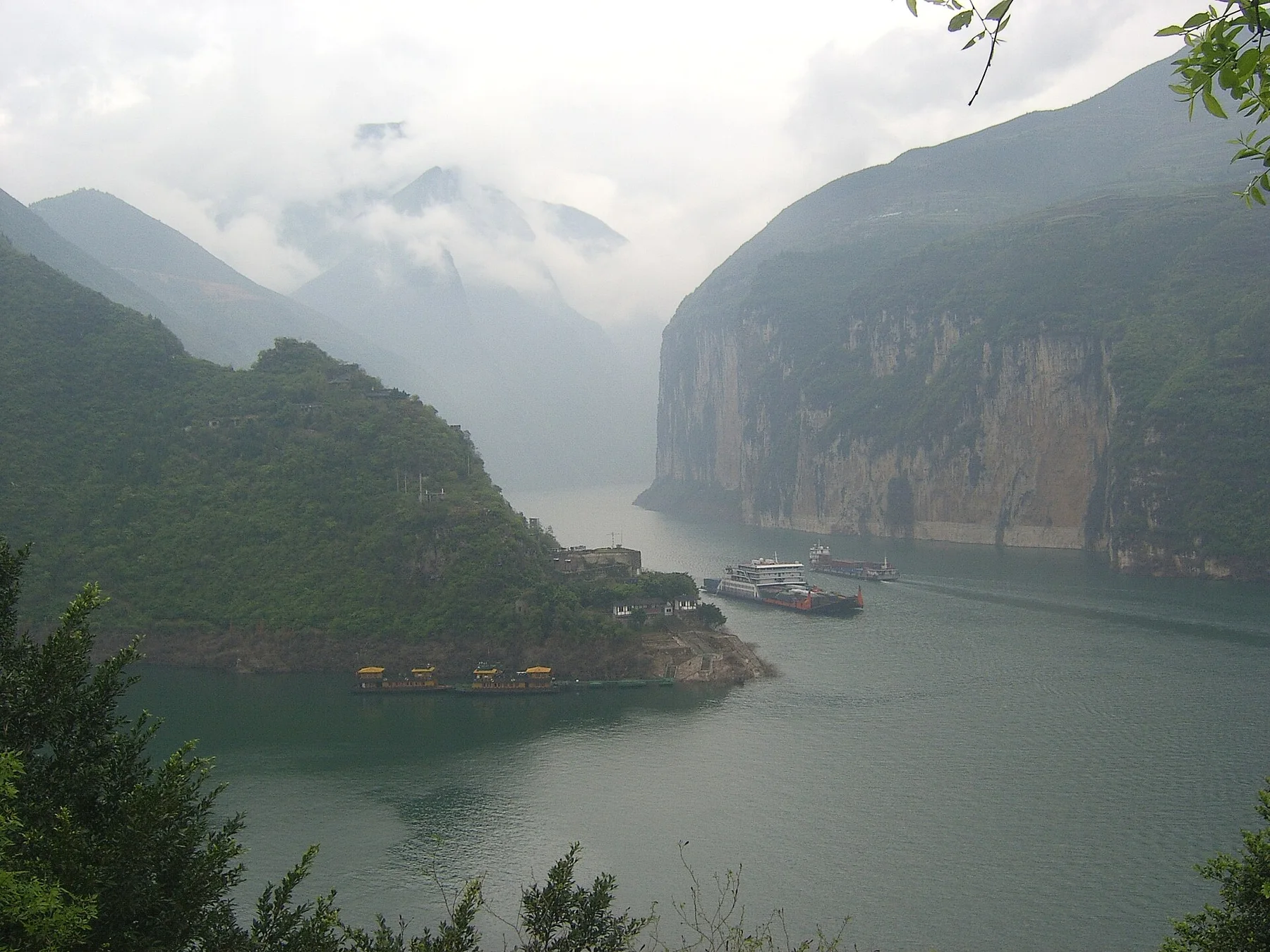
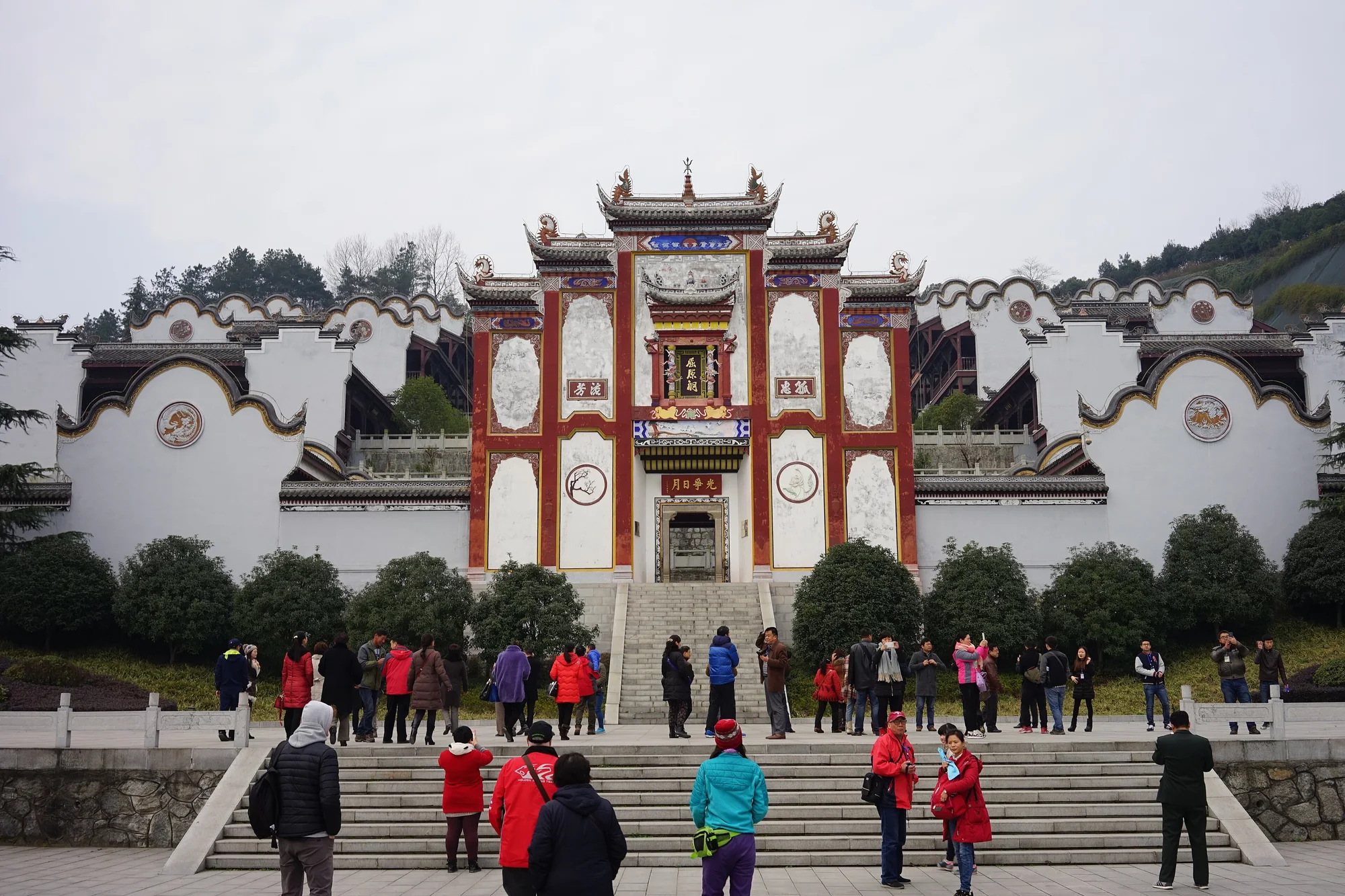
Zigui orange groves and the gorge
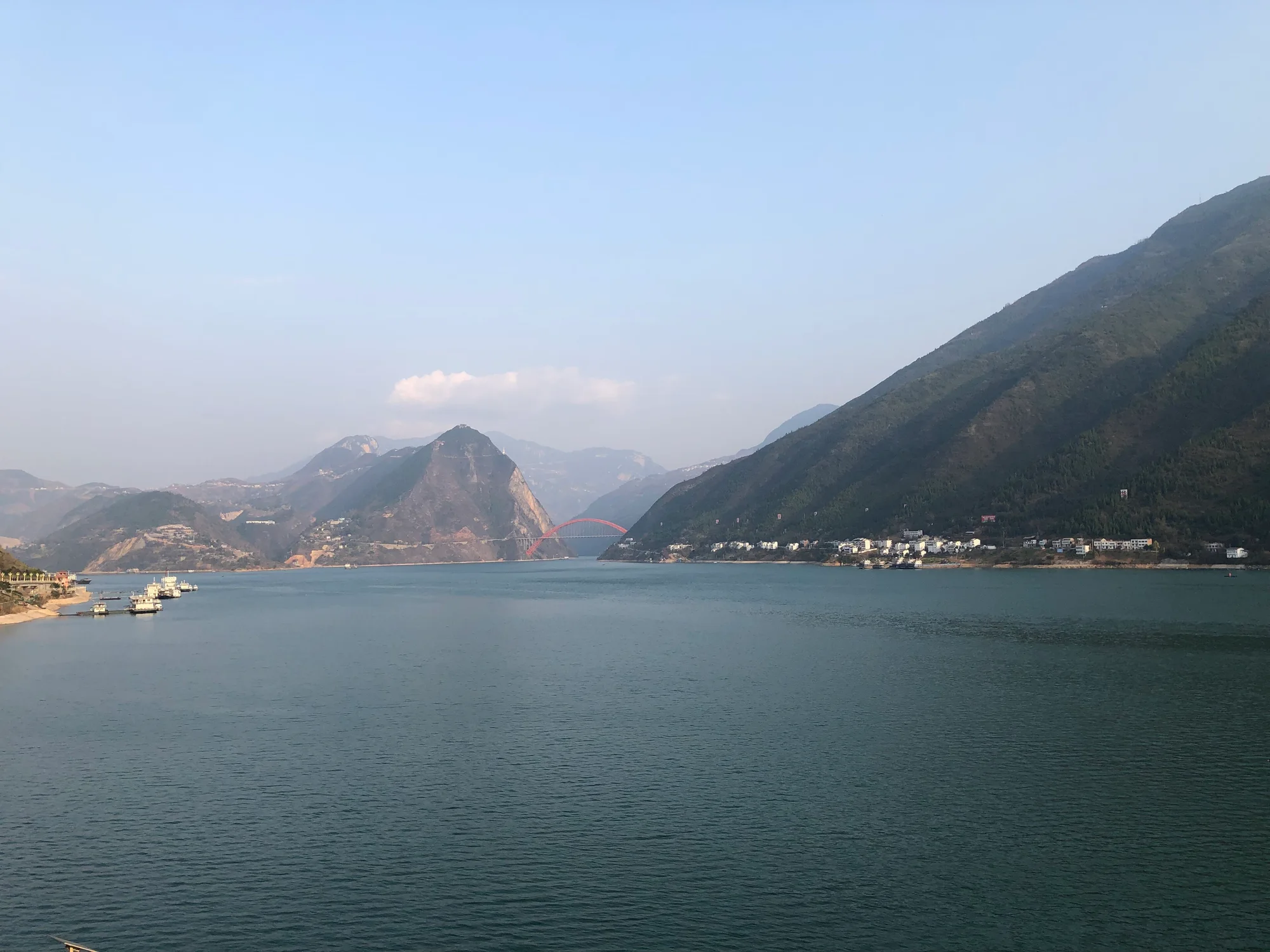
Half a day, about 40km. Zigui has more than three thousand two hundred years of written history and is Qu Yuan's home; the name comes from the Commentary on the Water Classic, where the poet's worthy elder sister came home on hearing of his banishment. The morning goes to the Qu Yuan site: the shrine was founded in 820 CE, moved in 1976 for the Gezhouba dam and again in 2006 for the Three Gorges, with twenty-four relocated gorge monuments gathered on Fenghuang Hill just six hundred metres from the dam. The new town's streets — Tianwen, Jiuge, Longzhou, Jusong — are all named from his poems. The afternoon walks the bank and the hillside orange groves, where tributary, poetry and the Yangtze are visible at once. Depart from Zigui or Yichangdong.