 ←All routes
Thematic Route · 7 Days
Chongqing, Wulong, Fengjie and Wushan in Seven Days
Chongqing → Wulong → Fengjie → WushanHighlights
- •Mountain City Ramps — Walk through Shibati and the Cliffside Trail to discover Chongqing's unique multi-tiered vertical geography and morning markets.
- •Wulong Karst Cavities — Descend into the Three Natural Bridges and Longshuixia fissure to explore majestic World Heritage collapse dolines.
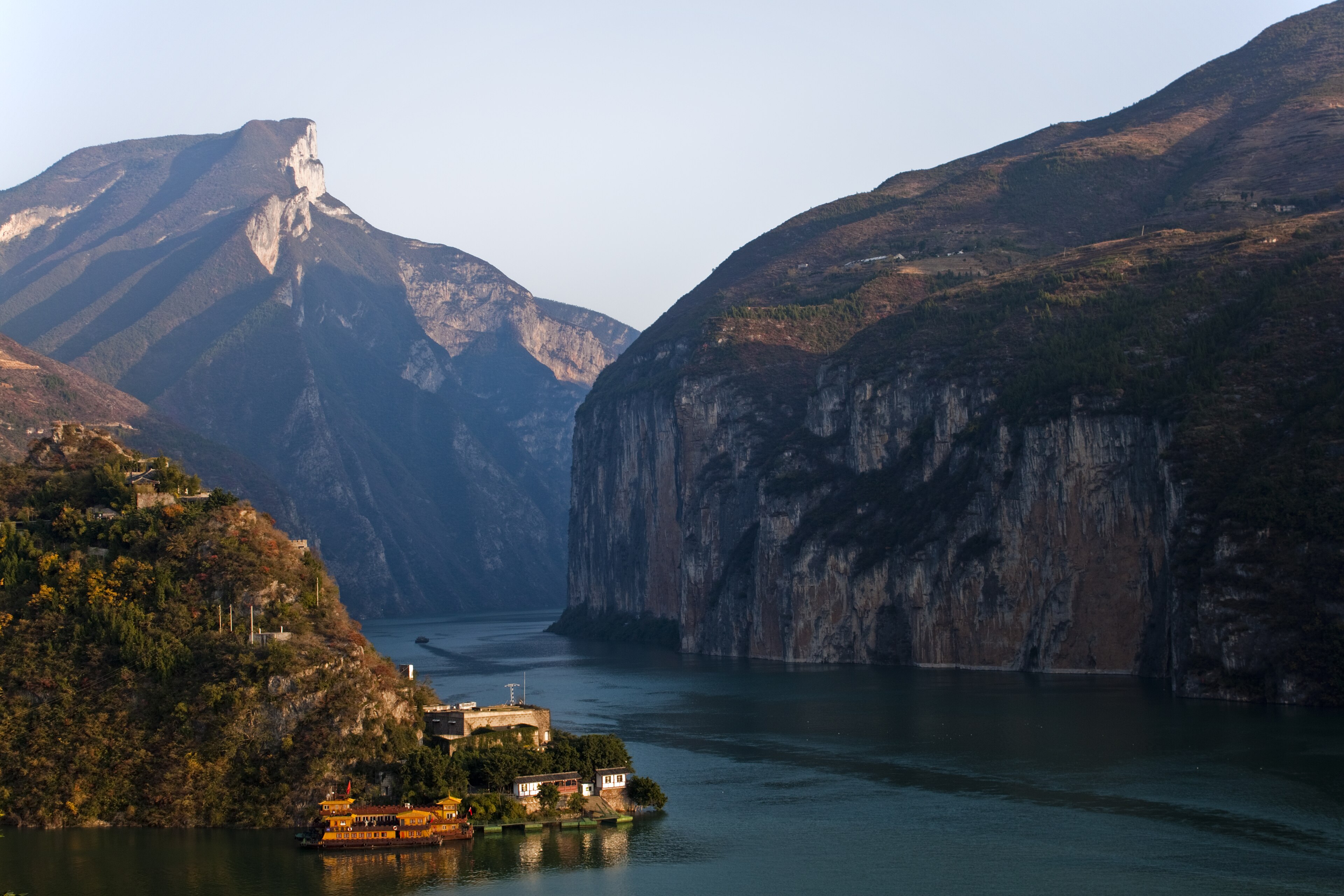
- •Fengjie Kuimen Gateway — Stand atop Baidicheng overlooking the iconic 10 RMB gorge vista and historic poetry citadel.
- •Wushan Lesser Gorges — Navigate tranquil emerald waters by boat through narrow canyons and ancient cliffside hanging coffins.
- •Land & Water Hybrid — Seamlessly transition from scenic mountain roads to leisurely Yangtze river journeys.
Chongqing, entering the city by its ramps
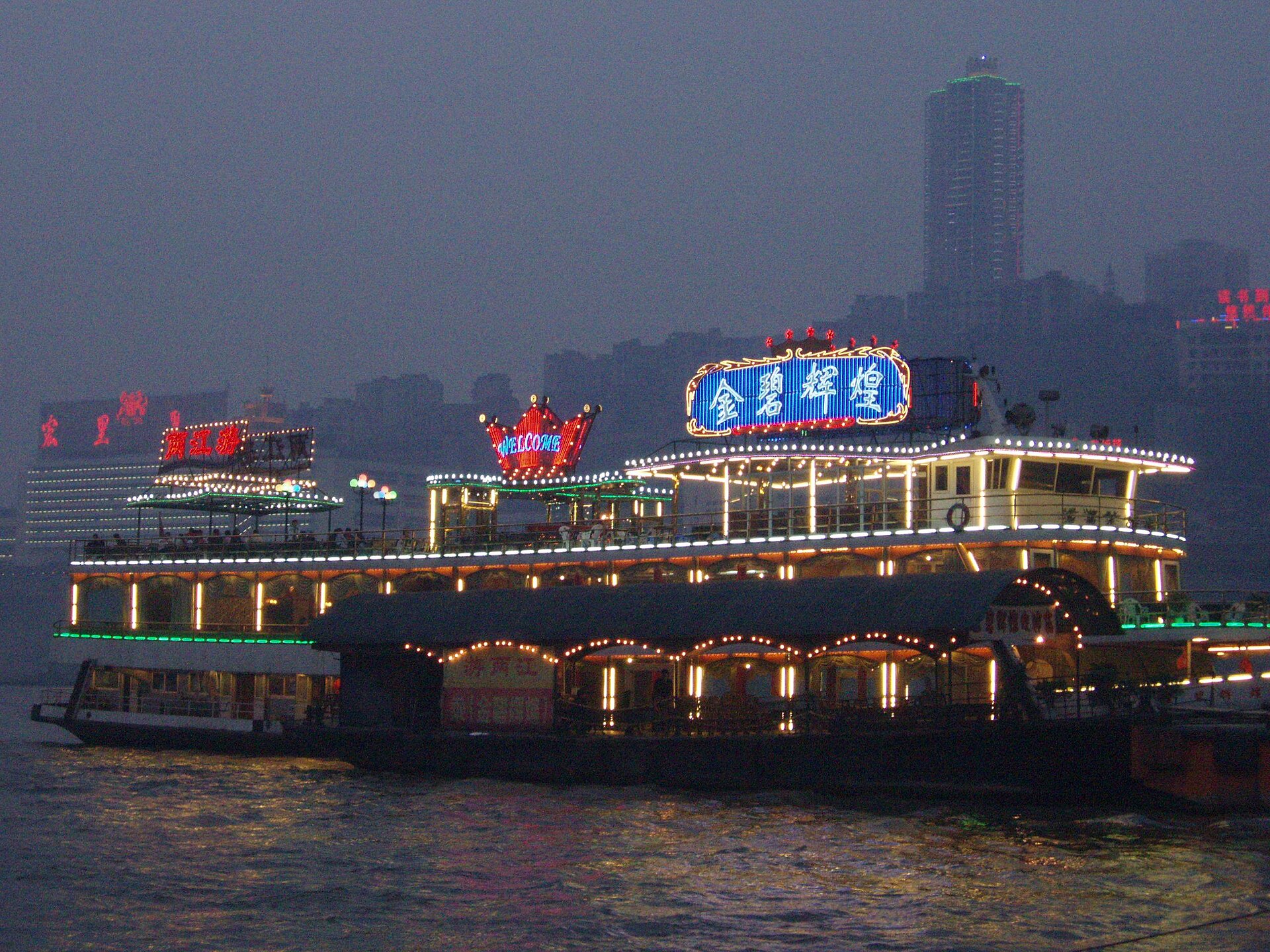
Arrival day, city moves only. Chongqing's urban history starts where the two rivers meet: Ba made its capital here and called it Jiangzhou, and after Qin took Ba it walled the commandery city on the ground near today's Chaotianmen. Take one light vertical walk in the evening — metro line 2 runs straight through a residential block at Liziba — then drop to the Jialing and follow the riverside road to Hongyadong. Distance is not the point today; getting used to the city's logic of height is. Two points side by side on the map can sit six floors apart. Dinner is xiaomian or wanza noodles.
A full city day between two rivers
In town all day, about 8km on foot. Start with breakfast at a market — noodles here are ordered by the liang, and two liang is the standard. The morning takes the Shibati steps and the Mountain City Trail, the original grain of the old town built along the slope; lunch around Ciqikou or Jiaochangkou. Cross the Dongshuimen bridge to the south bank in the afternoon and look back at the Yuzhong skyline from height. Reach Chaotianmen or Nanbin Road before sunset, where the two rivers meet and the line between clear and silted water is visible when the flow is right. Hongyadong is the obvious night view, but descending slowly from a residential block to the water is the better one.
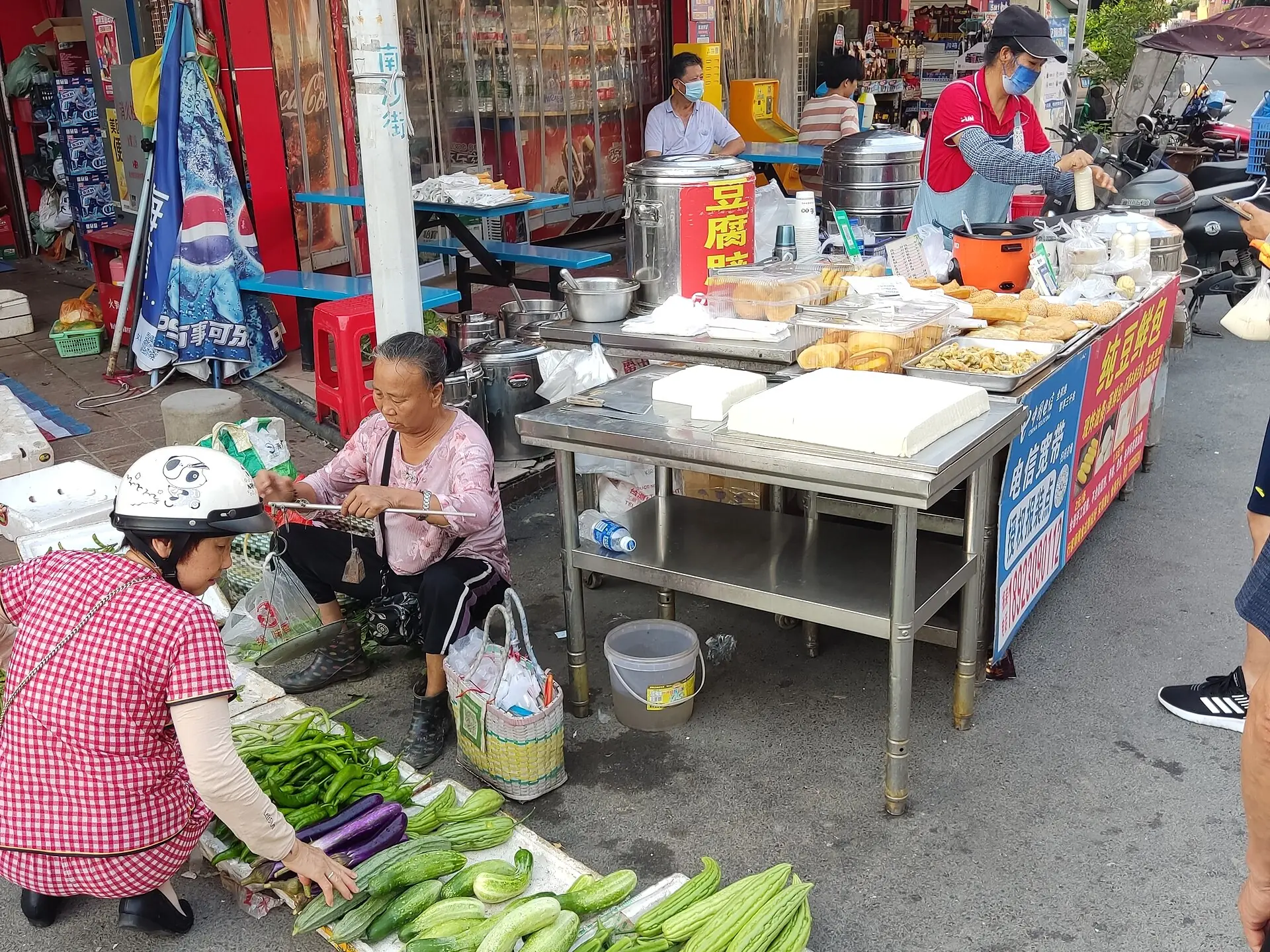
The folded surface of the Wulong karst
About 180km, roughly two hours on the Baomao expressway. Leaving the main city for Wulong, part of the South China Karst World Heritage property. The morning goes to the Three Natural Bridges — Tianlong, Qinglong and Heilong in a line, each over 200 metres high, with collapse dolines between them; the site was used in Curse of the Golden Flower. A lift takes you to the floor and the walk is about 3km return on steps that stay wet. Add the Longshuixia slot canyon or the Xiannüshan meadows in the afternoon if time allows. Today steps away from the Yangtze to read a different gorge logic: not a valley cut by water but a cavity left where the surface fell in.
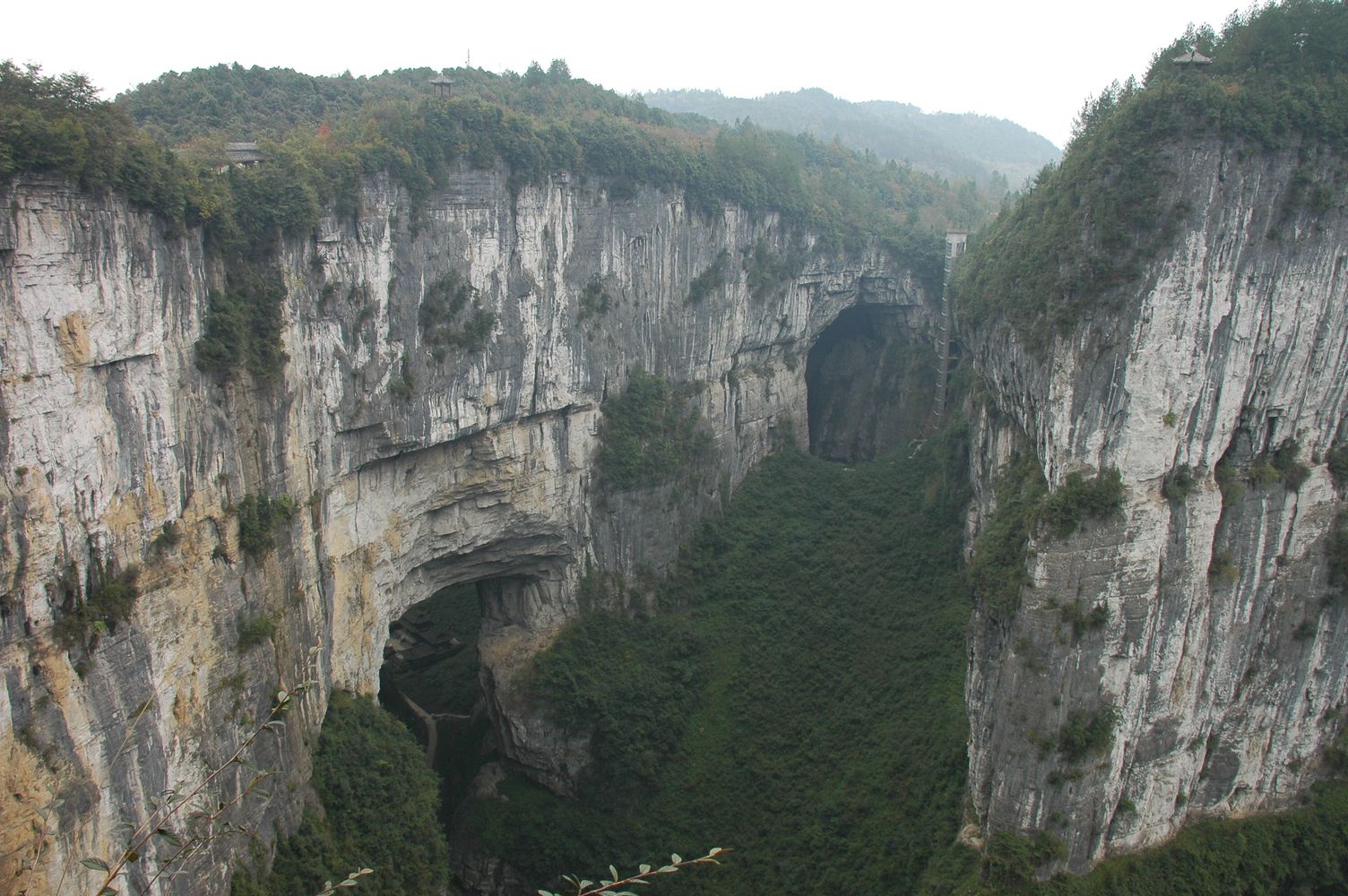
From Wulong back to the Yangtze
About 405km and a little over five hours, the longest day of the route. Keep the morning short — Xiannüshan or the Furong cave — and set out northeast after lunch, through Fuling and Shizhu toward Fengjie. The value of this drive is continuity: the karst cones and depressions give way to the terraces and hill fields of the Yangtze valley. Take lunch around Fuling or Zhongxian, where Shibaozhai is worth an hour — twelve timber storeys climbing Yuyin Hill, named after Tan Hong held the crag as a stronghold at the end of the Ming. Fengjie by evening, with a clear change in altitude and humidity. Sleep early; tomorrow starts with a climb.
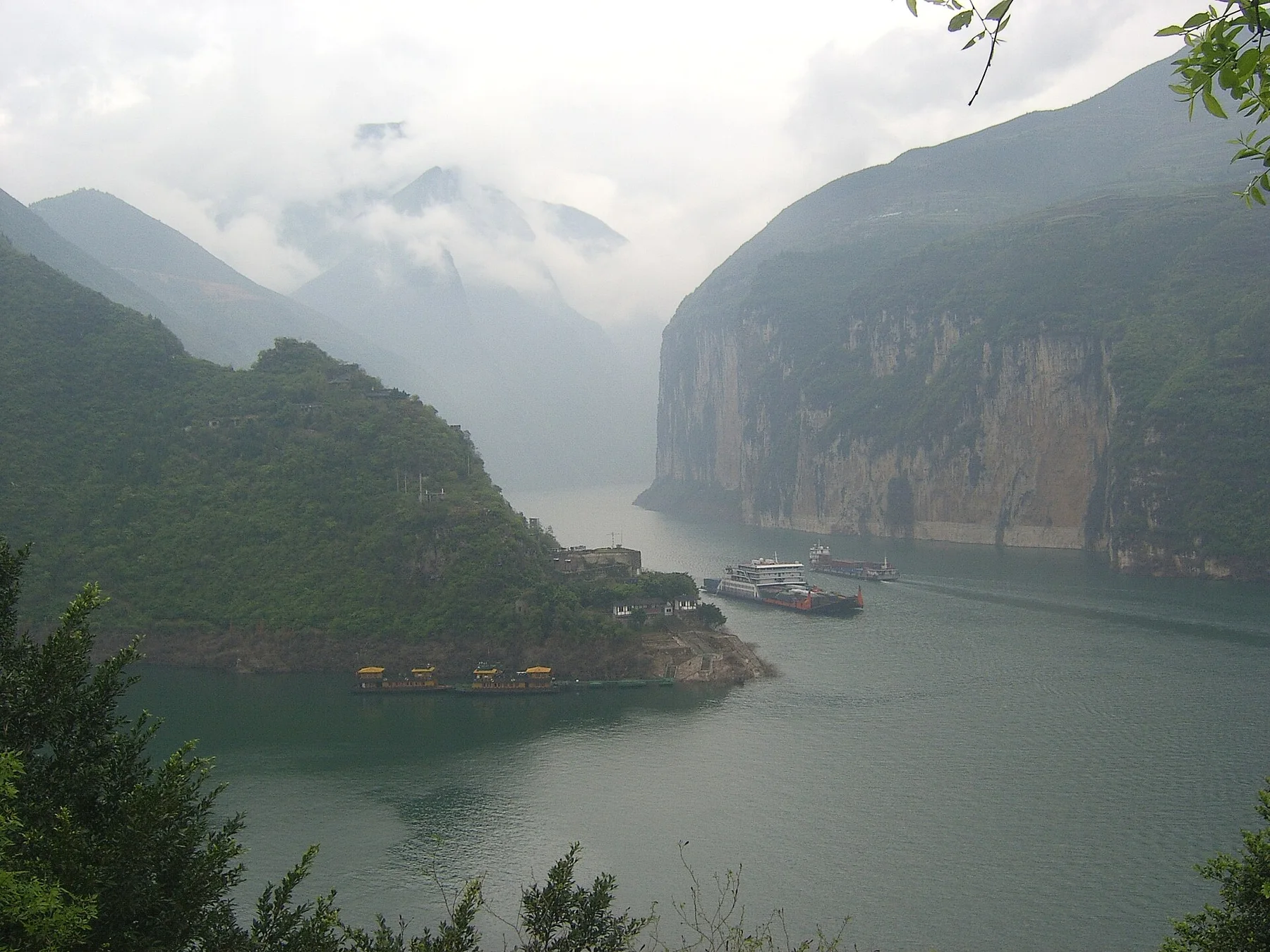
Baidicheng and Qutang Gorge
About 60km, a climb and a boat. Climb Baidicheng at dawn, roughly thirty minutes of stone steps, since morning light suits Kuimen best — Qutang is the shortest of the three gorges at eight kilometres and the point where the walls close hardest. The city began as Ziyang, renamed when Gongsun Shu saw white vapour rising from a well; in 222 CE Liu Bei retreated here after Yiling and entrusted his heir to Zhuge Liang. Li Bai, Du Fu, Bai Juyi, Su Shi and Lu You all climbed and wrote here, which earned it the name City of Poetry. Board at Baotaping in the afternoon and enter Qutang from the water — the same gorge at a completely different scale from the morning's view above it. Add Sanxia Zhidian if you have the legs.
Cloud, rain and the peaks of Wu Gorge
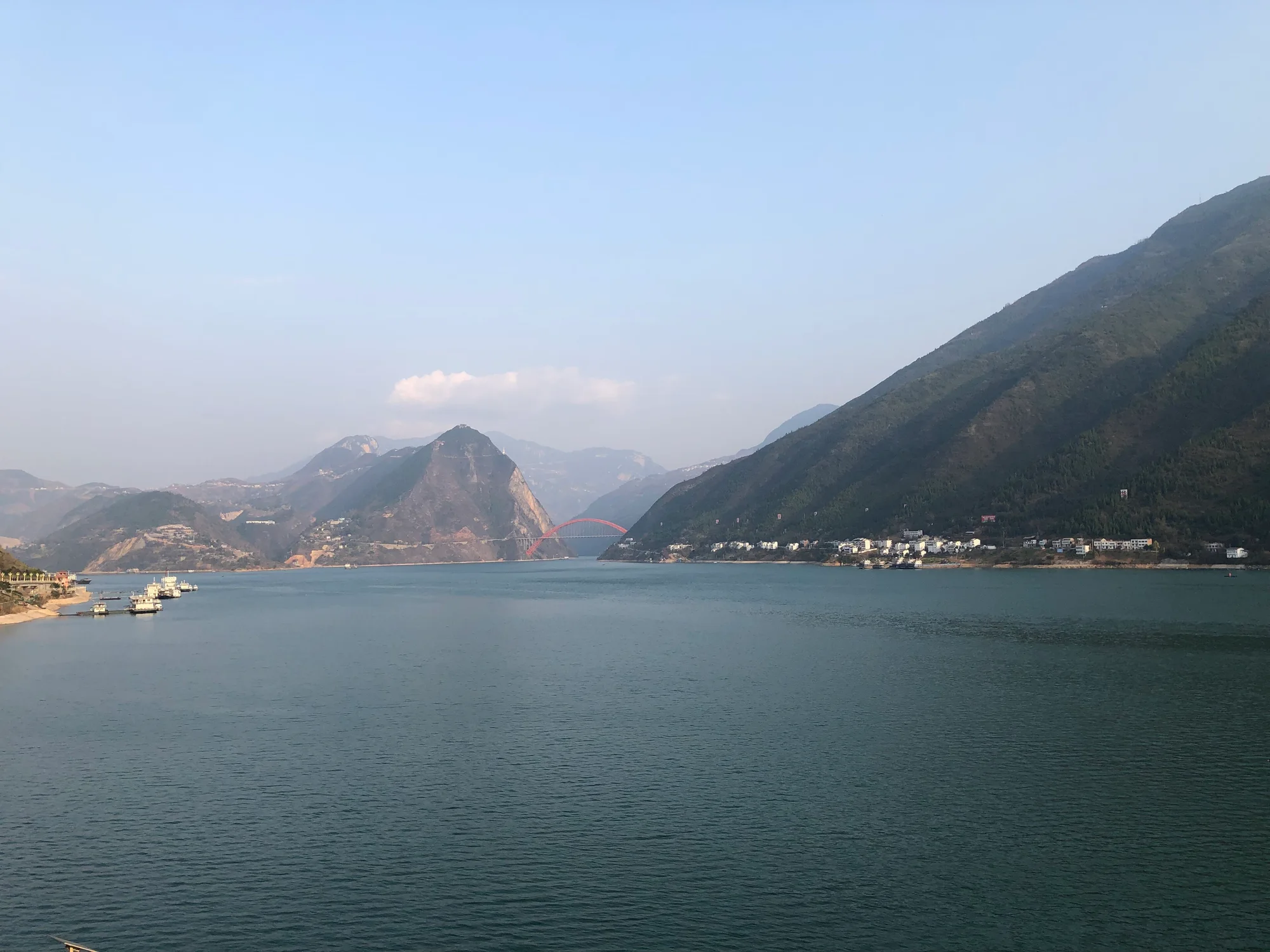
About 80km, a full day afloat. Wu Gorge runs some 45 kilometres past twelve peaks, with Goddess Peak on the north bank about 15km east of Wushan town. The figure first appears in Qu Yuan's Mountain Spirit; Song Yu wrote that she is morning cloud at dawn and travelling rain at dusk, and Li Daoyuan's Commentary on the Water Classic finally named her Yaoji. The twelve peaks are less a list than a long take you wait for — the cloud sets the order, and it is not worth chasing them all in one pass. Transfer to a smaller boat in the afternoon for the Lesser Three Gorges or the Shennü stream, where the walls come closer. Back to Wushan by evening, when the water goes very quiet.
A Wushan morning, ending at the river
Half a day, about 20km. Look once more at the bend of the river from height — Wenfeng Temple or the Jiangdongzui side has the best view, and morning mist sets the ridges receding in layers. Then a local breakfast in town: Wushan grilled fish has the bigger name, but mornings here are more often chaoshou or gege. Dachang old town is worth a look — relocated and rebuilt wholesale when the reservoir filled, it is the most direct sample of how this river changed life on its banks. Leave from Wushan station on the Zhengzhou–Chongqing line in the afternoon, or return to Chongqing. Over seven days you have moved from the city's vertical to the karst's collapse to the gorges the water cut — three landforms with one source.