
Enshi ·
Enshi Hezha
Soybeans cooked with the pulp still in them, the most everyday bowl in the Wuling mountains, and with pickles it will carry you through a winter.
INGREDIENTS
Main
- Dried soybeans, 200g
- Water, 1500ml
To finish
- Leafy greens, 200g
- Diced cured pork, 50g (optional)
- Salt, to taste
- Rapeseed oil, 1 tbsp
READ THESE FIRST
- Never leave the pot. Pulp caught on the bottom turns the whole batch bitter and there is no saving it.
- Do not strain it. Strained, it is soy milk, not hezha.
- Salt goes in last, or the soy milk splits and weeps.
- Judge the soak by the bean, not the clock — no hard core when you split one open.
- It is thicker reheated the next day, but keep the spoon on the bottom — it still catches.
Soak the beans
Rinse the soybeans and soak them for eight to twelve hours — traditionally a full night. The test is the state, not the clock: split one open and it is ready when there is no hard core and the cut face is an even pale yellow. Under-soaked, they will not grind fine and the pot keeps a raw astringency; over-soaked, they turn sour and the sweetness goes out of the milk. In summer eight hours is enough, and it is worth changing the water once.
6 hours (start the night before)Grind with the water
Add about 1,500ml of water to the soaked beans and blend for two or three minutes, or work them through a stone mill. Hezha is never strained — that is exactly why it is called lazy tofu: making tofu means straining, setting with brine and pressing, and hezha skips all three. The pulp is the backbone of the dish, and the protein and fibre stay in the bowl. Finer grinding gives a smoother mouthful, but a little grain left in is what makes it home cooking.
5 minSimmer gently
Pour into a heavy pot and bring it up over medium-low heat. Push a spoon along the bottom the whole time — the pulp is far heavier than the milk and settles the moment you stop, and once it catches, the whole pot turns bitter with no way back. A thick foam rises as it boils; drop the heat and give it fifteen more minutes until the foam falls and the raw bean smell is gone. Those fifteen minutes are the only patience this dish asks, and the line between raw and cooked.
20 minAdd the greens
Chop the greens in and cook three minutes more, just to tender. Radish tops are traditional; baby bok choy or shepherd's purse also work. For a meatier bowl, render diced cured pork in a spoon of rapeseed oil first and tip it in, oil and all. The best-known local version is Zhangguan hezha, from the market town of Zhangguan in Xuan'en, where the pot is set with brine to thicken and then built into a hotpot with stock, cured pork, young chicken or egg.
5 min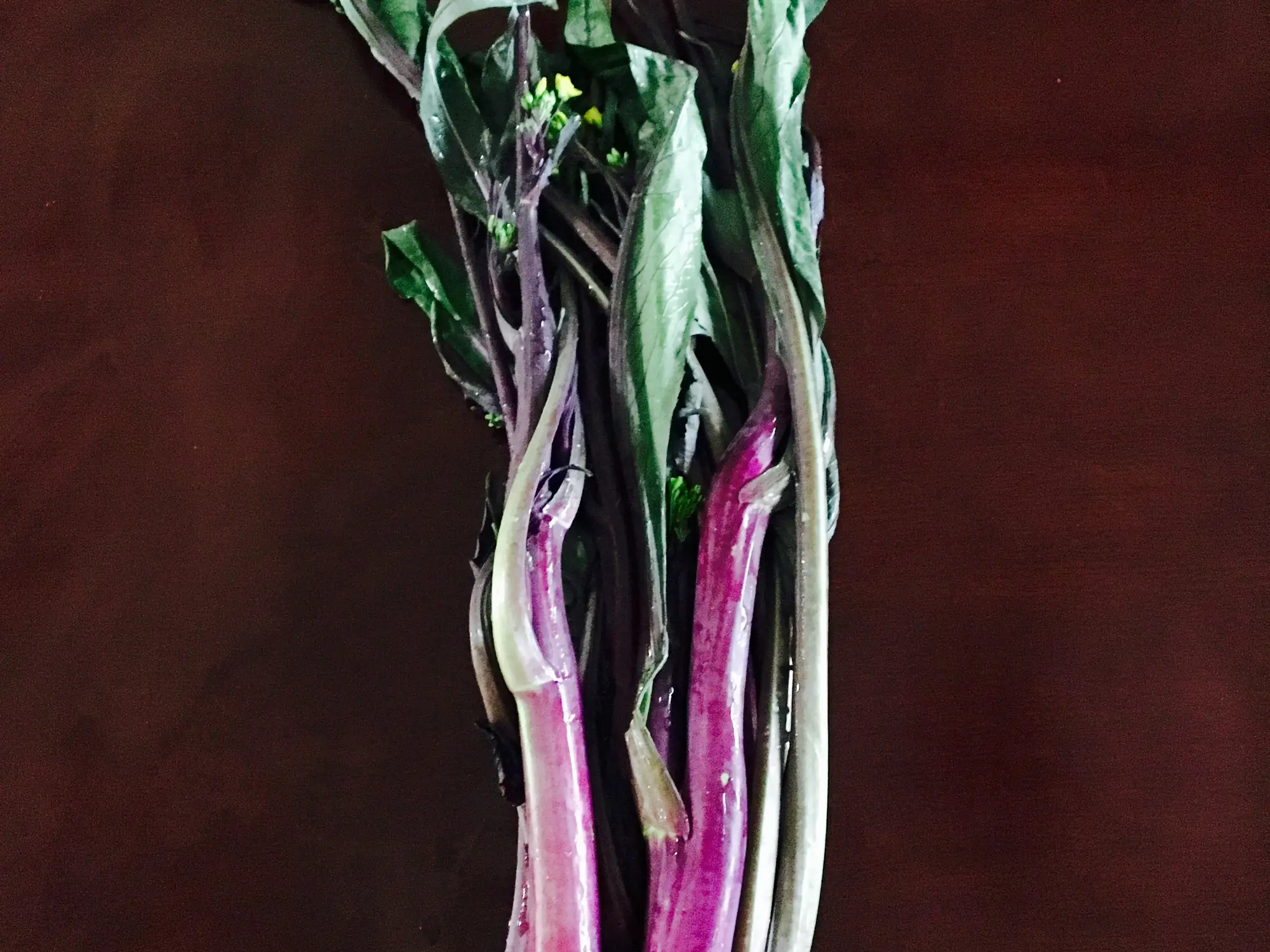
Season and serve
Salt only at the very end — added early it makes the soy milk split and weep, and a creamy pot becomes thin broth with grit in it. Keep it light: the bean flavour here is delicate and too much salt buries it. Serve with a dish of pickles or roasted chilli and you have an Enshi meal. Leftovers are thicker the next day, but reheat them the same way, spoon against the bottom — it will catch again given the chance.
2 min