 ←All destinations
Shennongjia
Mountains
OVERVIEW
From evergreen broadleaf forest up to alpine meadow
Elevation turns the vegetation and the weather over several times in one day; the forest is not a backdrop here but the subject.
“Here, elevation says more about a stretch of road than distance does.
— Within an hour you pass from broadleaf into conifer, and temperature, smell and light all change with the mountain road.
HIGHLIGHTS
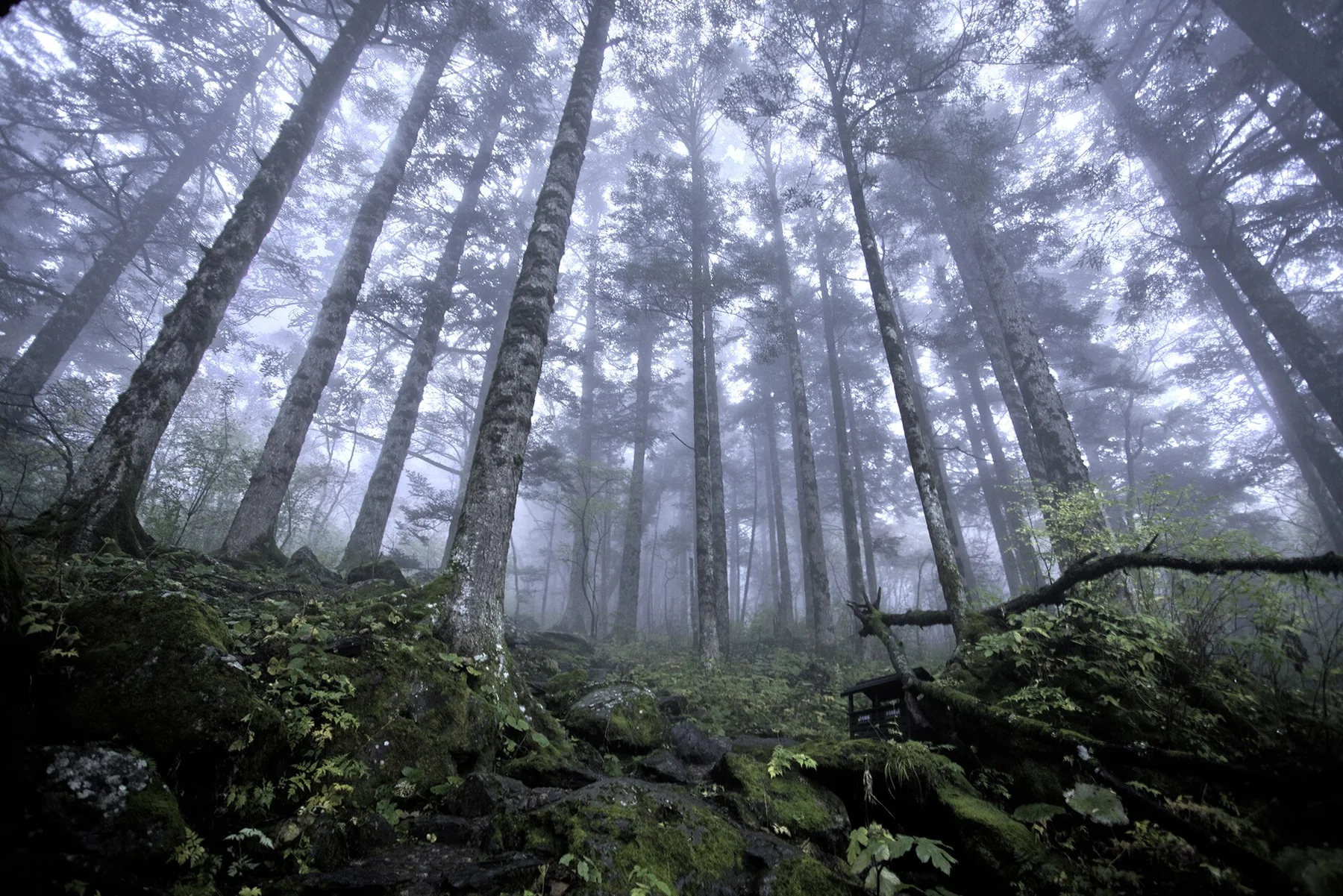
Trails in the mist
Slow down enough to pick out moss, canopy and the sounds under the trees.
High country, dawn and dusk
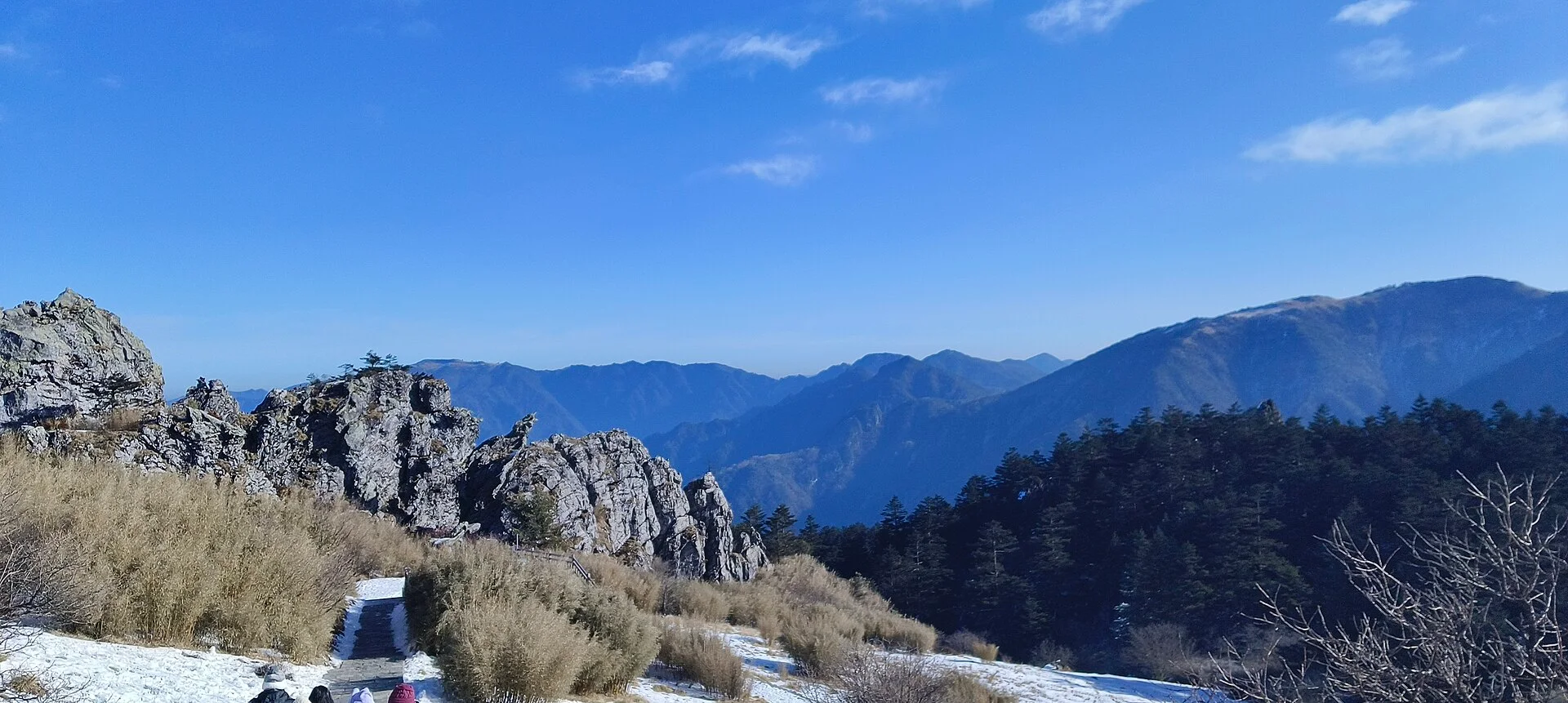
When the weather allows, watch the ridges, the meadows and the sea of cloud.
HISTORY
From Forestry District to World Heritage
Shennongjia takes its name from the legend of Shennong lashing timber into ladders to gather medicine on these cliffs. It became a forestry district in 1970 — the only administrative region in China named for its forest — and logging gave way to protection from 1982, with inscription as a World Heritage site in 2016. From the low valleys to the high passes the elevation spans more than two thousand metres, producing a complete vertical sequence of vegetation and the best-preserved forest ecosystem in central China.
GETTING THERE
How to arrive
High-speed rail
Xingshan station is about an hour from Muyu; from the coach station take the 808-1 bus straight there. Shennongjia station is at Xinhua — take the coach to Songbai first, then on to Muyu or Dajiuhu.
By air
Shennongjia airport at Yemahe is 80km and about an hour from Muyu, with flights from Chongqing, Shanghai and Wuhan. Airport coaches leave as flights land.
Note
Sites are far apart, so plan a vehicle, and do not stack too many cross-area moves into one day.
GOOD TO KNOW
Before you go
Seasonal Guidance
- Summer is cool but afternoon showers are frequent
- Autumn turns the forest and widens the day-night temperature gap
Mountain transport
- Sites are far apart, so plan a vehicle
- Avoid stacking too many cross-area moves into one day
Forest rules
- Stay on the open trails
- Do not feed or chase wildlife